参考文献[1]
Erratum: Global cancer statistics 2018: GLOBOCAN estimates of incidence and mortality worldwide for 36 cancers in 185 countries[J]. CA Cancer J Clin, 2020, 70(4):313. .
[2]
ZhangS, SunK, ZhengRet al. Cancer incidence and mortality in China, 2015[J]. JNCC, 2021, 1 (1): 2-11..
[3]
ZhengRS, ZhangSW, ZengHM, et al. Cancer incidence and mortality in China, 2016[J]. JNCC, 2022, 2(1): 2-11. .
[4]
ChurchTR, BlackWC, AberleDR, et al. Results of initial low-dose computed tomographic screening for lung cancer[J]. N Engl J Med, 2013, 368(21):1980-1991. .
[5]
WoodDE, KazerooniEA, BaumSL, et al. Lung cancer screening, Version 3.2018, NCCN clinical practice guidelines in oncology[J]. J Natl Compr Canc Netw, 2018, 16(4):412-441. .
[6]
WenderR, FonthamET, BarreraE, et al. American Cancer Society lung cancer screening guidelines[J]. CA Cancer J Clin, 2013, 63(2):107-117. .
[7]
JaklitschMT, JacobsonFL, AustinJH, et al. The American Association for Thoracic Surgery guidelines for lung cancer screening using low-dose computed tomography scans for lung cancer survivors and other high-risk groups[J]. J Thorac Cardiovasc Surg, 2012, 144(1):33-38. .
[8]
KooLC, HoJH. Worldwide epidemiological patterns of lung cancer in nonsmokers[J]. Int J Epidemiol, 1990, 19Suppl 1:S14-S23. .
[9]
ChenW, ZhengR, BaadePD, et al. Cancer statistics in China, 2015[J]. CA Cancer J Clin, 2016, 66(2):115-132. .
[10]
Ordóñez-MenaJM, SchöttkerB, MonsU, et al. Quantification of the smoking-associated cancer risk with rate advancement periods: meta-analysis of individual participant data from cohorts of the CHANCES consortium[J]. BMC Med, 2016, 14:62. .
[11]
ChenZM, PetoR, IonaA, et al. Emerging tobacco-related cancer risks in China: a nationwide, prospective study of 0.5 million adults[J]. Cancer, 2015, 121Suppl 17(Suppl 17):3097-3106. .
[12]
PeschB, KendziaB, GustavssonP, et al. Cigarette smoking and lung cancer--relative risk estimates for the major histological types from a pooled analysis of case-control studies[J]. Int J Cancer, 2012, 131(5):1210-1219. .
[13]
ObergM, JaakkolaMS, WoodwardA, et al. Worldwide burden of disease from exposure to second-hand smoke: a retrospective analysis of data from 192 countries[J]. Lancet, 2011, 377(9760):139-146. .
[14]
JiaPL, ZhangC, YuJJ, et al. The risk of lung cancer among cooking adults: a meta-analysis of 23 observational studies[J]. J Cancer Res Clin Oncol, 2018, 144(2):229-240. .
[15]
KimC, GaoYT, XiangYB, et al. Home kitchen ventilation, cooking fuels, and lung cancer risk in a prospective cohort of never smoking women in Shanghai, China[J]. Int J Cancer, 2015, 136(3):632-638. .
[16]
YuIT, ChiuYL, AuJS, et al. Dose-response relationship between cooking fumes exposures and lung cancer among Chinese nonsmoking women[J]. Cancer Res, 2006, 66(9):4961-4967. .
[17]
DarbyS, HillD, AuvinenA, et al. Radon in homes and risk of lung cancer: collaborative analysis of individual data from 13 European case-control studies[J]. BMJ, 2005, 330(7485):223. .
[18]
LammSH, FerdosiH, DissenEK, et al. A systematic review and meta-regression analysis of lung cancer risk and inorganic arsenic in drinking water[J]. Int J Environ Res Public Health, 2015, 12(12):15498-15515. .
[19]
FinchGL, HooverMD, HahnFF, et al. Animal models of beryllium-induced lung disease[J]. Environ Health Perspect, 1996, 104(Suppl 5):973-979. .
[20]
DengY, WangM, TianT, et al. The effect of hexavalent chromium on the incidence and mortality of human cancers: a meta-analysis based on published epidemiological cohort studies[J]. Front Oncol, 2019, 9:24. .
[21]
NawrotT, PlusquinM, HogervorstJ, et al. Environmental exposure to cadmium and risk of cancer: a prospective population-based study[J]. Lancet Oncol, 2006, 7(2):119-126. .
[22]
NgamwongY, TangamornsuksanW, LohitnavyO, et al. Additive synergism between asbestos and smoking in lung cancer risk: a systematic review and meta-analysis[J]. PLoS One, 2015, 10(8):e0135798. .
[23]
Poinen-RughooputhS, RughooputhMS, GuoY, et al. Occupational exposure to silica dust and risk of lung cancer: an updated meta-analysis of epidemiological studies[J]. BMC Public Health, 2016, 16(1):1137. .
[24]
HosgoodHD, WeiH, SapkotaA, et al. Household coal use and lung cancer: systematic review and meta-analysis of case-control studies, with an emphasis on geographic variation[J]. Int J Epidemiol, 2011, 40(3):719-728. .
[25]
HalpennyDF, CunninghamJD, LongNM, et al. Patients with a previous history of malignancy undergoing lung cancer screening: clinical characteristics and radiologic findings[J]. J Thorac Oncol, 2016, 11(9):1447-1452. .
[26]
DaiJ, LvJ, ZhuM, et al. Identification of risk loci and a polygenic risk score for lung cancer: a large-scale prospective cohort study in Chinese populations[J]. Lancet Respir Med, 2019, 7(10):881-891. .
[27]
Cannon-AlbrightLA, CarrSR, AkerleyW. Population-based relative risks for lung cancer based on complete family history of lung cancer[J]. J Thorac Oncol, 2019, 14(7):1184-1191. .
[28]
AngL, ChanC, YauWP, et al. Association between family history of lung cancer and lung cancer risk: a systematic review and meta-analysis[J]. Lung Cancer, 2020, 148:129-137. .
[29]
CarrLL, JacobsonS, LynchDA, et al. Features of COPD as predictors of lung cancer[J]. Chest, 2018, 153(6):1326-1335. .
[30]
HongS, MokY, JeonC, et al. Tuberculosis, smoking and risk for lung cancer incidence and mortality[J]. Int J Cancer, 2016, 139(11):2447-2455. .
[31]
JafariNezhadA, YektaKooshaliMH. Lung cancer in idiopathic pulmonary fibrosis: a systematic review and meta-analysis[J]. PLoS One, 2018, 13(8):e0202360. .
[32]
GirouxV, RustgiAK. Metaplasia: tissue injury adaptation and a precursor to the dysplasia-cancer sequence[J]. Nat Rev Cancer, 2017, 17(10):594-604. .
[33]
YangW, QianF, TengJ, et al. Community-based lung cancer screening with low-dose CT in China: results of the baseline screening[J]. Lung Cancer, 2018, 117:20-26. .
[34]
PastorinoU, SilvaM, SestiniS, et al. Prolonged lung cancer screening reduced 10-year mortality in the MILD trial: new confirmation of lung cancer screening efficacy[J]. Ann Oncol, 2019, 30(7):1162-1169. .
[35]
BeckerN, MotschE, TrotterA, et al. Lung cancer mortality reduction by LDCT screening-Results from the randomized German LUSI trial[J]. Int J Cancer, 2020, 146(6):1503-1513. .
[36]
SeijoLM, PeledN, AjonaD, et al. Biomarkers in lung cancer screening: achievements, promises, and challenges[J]. J Thorac Oncol, 2019, 14(3):343-357. .
[37]
FieldJK, SmithRA, AberleDR, et al. International Association for the Study of Lung Cancer Computed Tomography Screening Workshop 2011 report[J]. J Thorac Oncol, 2012, 7(1):10-19. .
[38]
SandsJ, TammemägiMC, CouraudS, et al. Lung screening benefits and challenges: a review of the data and outline for implementation[J]. J Thorac Oncol, 2021, 16(1):37-53. .
[39]
MassionPP, HealeyGF, PeekLJ, et al. Autoantibody signature enhances the positive predictive power of computed tomography and nodule-based risk models for detection of lung cancer[J]. J Thorac Oncol, 2017, 12(3):578-584. .
[40]
HenschkeCI, YankelevitzDF, LibbyDM, et al. Survival of patients with stage Ⅰ lung cancer detected on CT screening[J]. N Engl J Med, 2006, 355(17):1763-1771. .
[41]
SteinertHC. PET and PET-CT of lung cancer[J]. Methods Mol Biol, 2011, 727:33-51. .
[42]
FischerB, LassenU, MortensenJ, et al. Preoperative staging of lung cancer with combined PET-CT[J]. N Engl J Med, 2009, 361(1):32-39. .
[43]
HydeL, HydeCI. Clinical manifestations of lung cancer[J]. Chest, 1974, 65(3):299-306. .
[44]
BonnerJA, SloanJA, RowlandKM, et al. Significance of neuron-specific enolase levels before and during therapy for small cell lung cancer[J]. Clin Cancer Res, 2000, 6(2):597-601.
[45]
PaoneG, De AngelisG, MunnoR, et al. Discriminant analysis on small cell lung cancer and non-small cell lung cancer by means of NSE and CYFRA-21.1[J]. Eur Respir J, 1995, 8(7):1136-1140. .
[46]
王长利. 肺癌[M].北京: 科学技术文献出版社, 2009.
[47]
LamyPJ, GrenierJ, KramarA, et al. Pro-gastrin-releasing peptide, neuron specific enolase and chromogranin A as serum markers of small cell lung cancer[J]. Lung Cancer, 2000, 29(3):197-203. .
[48]
TakeuchiS, NonakaM, KadokuraM, et al. Prognostic significance of serum squamous cell carcinoma antigen in surgically treated lung cancer[J]. Ann Thorac Cardiovasc Surg, 2003, 9(2):98-104.
[49]
BarakV, GoikeH, PanaretakisKW, et al. Clinical utility of cytokeratins as tumor markers[J]. Clin Biochem, 2004, 37(7):529-540. .
[50]
StieberP, DienemannH, HasholznerU, et al. Comparison of cytokeratin fragment 19 (CYFRA 21-1), tissue polypeptide antigen (TPA) and tissue polypeptide specific antigen (TPS) as tumour markers in lung cancer[J]. Eur J Clin Chem Clin Biochem, 1993, 31(10):689-694. .
[51]
MolinaR, MarradesRM, AugéJM, et al. Assessment of a combined panel of six serum tumor markers for lung cancer[J]. Am J Respir Crit Care Med, 2016, 193(4):427-437. .
[52]
EttingerDS, WoodDE, AisnerDL, et al. Non-small cell lung cancer, Version 5.2017, NCCN clinical practice guidelines in oncology[J]. J Natl Compr Canc Netw, 2017, 15(4):504-535. .
[53]
TravisWD, BrambillaE, BurkeAP, et al. Introduction to the 2015 World Health Organization classification of tumors of the lung, pleura, thymus, and heart[J]. J Thorac Oncol, 2015, 10(9):1240-1242. .
[54]
TravisWD, BrambillaE, NicholsonAG, et al. The 2015 World Health Organization classification of lung tumors: impact of genetic, clinical and radiologic advances since the 2004 classification[J]. J Thorac Oncol, 2015, 10(9):1243-1260. .
[55]
TravisWD, DacicS, WistubaI, et al. IASLC multidisciplinary recommendations for pathologic assessment of lung cancer resection specimens after neoadjuvant Therapy[J]. J Thorac Oncol, 2020, 15(5):709-740. .
[56]
国家肿瘤质控中心肺癌质控专家委员会. 非小细胞肺癌新辅助治疗疗效病理评估专家共识[J]. 中华病理学杂志, 2021, 50(9):1002-1007. .
[57]
TravisWD. Advances in neuroendocrine lung tumors[J]. Ann Oncol, 2010, 21Suppl 7: vii65-vii71. .
[58]
PelosiG, RindiG, TravisWD, et al. Ki-67 antigen in lung neuroendocrine tumors: unraveling a role in clinical practice[J]. J Thorac Oncol, 2014, 9(3):273-284. .
[59]
PelosiG, RodriguezJ, VialeG, et al. Typical and atypical pulmonary carcinoid tumor overdiagnosed as small-cell carcinoma on biopsy specimens: a major pitfall in the management of lung cancer patients[J]. Am J Surg Pathol, 2005, 29(2):179-187. .
[60]
FabbriA, CossaM, SonzogniA, et al. Thymus neuroendocrine tumors with CTNNB1 gene mutations, disarrayed β-catenin expression, and dual intra-tumor Ki-67 labeling index compartmentalization challenge the concept of secondary high-grade neuroendocrine tumor: a paradigm shift[J]. Virchows Arch, 2017, 471(1):31-47. .
[61]
NonakaD. A study of ΔNp63 expression in lung non-small cell carcinomas[J]. Am J Surg Pathol, 2012, 36(6):895-899. .
[62]
ButnorKJ, BeasleyMB, CaglePT, et al. Protocol for the examination of specimens from patients with primary non-small cell carcinoma, small cell carcinoma, or carcinoid tumor of the lung[J]. Arch Pathol Lab Med, 2009, 133(10):1552-1559. .
[63]
YatabeY, DacicS, BorczukAC, et al. Best practices recommendations for diagnostic immunohistochemistry in lung cancer[J]. J Thorac Oncol, 2019, 14(3):377-407. .
[64]
KalemkerianGP, NarulaN, KennedyEB, et al. Molecular testing guideline for the selection of patients with lung cancer for treatment with targeted tyrosine kinase inhibitors: American Society of Clinical Oncology Endorsement of the College of American Pathologists/International Association for the Study of Lung Cancer/Association for molecular pathology clinical practice Guideline Update[J]. J Clin Oncol, 2018, 36(9):911-919. .
[65]
LindemanNI, CaglePT, AisnerDL, et al. Updated molecular testing guideline for the selection of lung cancer patients for treatment with targeted tyrosine kinase inhibitors: guideline from the College of American Pathologists, the International Association for the Study of Lung Cancer, and the Association for Molecular Pathology[J]. J Thorac Oncol, 2018, 13(3):323-358. .
[66]
EllisonG, ZhuG, MoulisA, et al. EGFR mutation testing in lung cancer: a review of available methods and their use for analysis of tumour tissue and cytology samples[J]. J Clin Pathol, 2013, 66(2):79-89. .
[67]
SacherAG, DahlbergSE, HengJ, et al. Association between younger age and targetable genomic alterations and prognosis in non-small-cell lung cancer[J]. JAMA Oncol, 2016, 2(3):313-320. .
[68]
WuYL, HerbstRS, MannH, et al. ADAURA: phase Ⅲ, double-blind, randomized study of osimertinib versus placebo in EGFR mutation-positive early-stage NSCLC after complete surgical resection[J]. Clin Lung Cancer, 2018, 19(4):e533-e536. .
[69]
ZhongWZ, WangQ, MaoWM, et al. Gefitinib versus vinorelbine plus cisplatin as adjuvant treatment for stage Ⅱ-ⅢA (N1-N2) EGFR-mutant NSCLC (ADJUVANT/CTONG1104): a randomised, open-label, phase 3 study[J]. Lancet Oncol, 2018, 19(1):139-148. .
[70]
ZhongWZ, WangQ, MaoWM, et al. Gefitinib versus vinorelbine plus cisplatin as adjuvant treatment for stage Ⅱ-ⅢA (N1-N2) EGFR-mutant NSCLC: final overall survival analysis of CTONG1104 phase iii trial[J]. J Clin Oncol, 2021, 39(7):713-722. .
[71]
MokTS, WuYL, ThongprasertS, et al. Gefitinib or carboplatin-paclitaxel in pulmonary adenocarcinoma[J]. N Engl J Med, 2009, 361(10):947-957. .
[72]
KrisMG, JohnsonBE, BerryLD, et al. Using multiplexed assays of oncogenic drivers in lung cancers to select targeted drugs[J]. JAMA, 2014, 311(19):1998-2006. .
[73]
BarlesiF, MazieresJ, MerlioJP, et al. Routine molecular profiling of patients with advanced non-small-cell lung cancer: results of a 1-year nationwide programme of the French Cooperative Thoracic Intergroup (IFCT)[J]. Lancet, 2016, 387(10026):1415-1426. .
[74]
PaoW, GirardN. New driver mutations in non-small-cell lung cancer[J]. Lancet Oncol, 2011, 12(2):175-180. .
[75]
GerberDE, GandhiL, CostaDB. Management and future directions in non-small cell lung cancer with known activating mutations[J]. Am Soc Clin Oncol Educ Book, 2014:e353-e365. .
[76]
JenningsLJ, ArcilaME, CorlessC, et al. Guidelines for validation of next-generation sequencing-based oncology panels: a Joint Consensus Recommendation of the Association for Molecular Pathology and College of American Pathologists[J]. J Mol Diagn, 2017, 19(3):341-365. .
[77]
EndrisV, PenzelR, WarthA, et al. Molecular diagnostic profiling of lung cancer specimens with a semiconductor-based massive parallel sequencing approach: feasibility, costs, and performance compared with conventional sequencing[J]. J Mol Diagn, 2013, 15(6):765-775. .
[78]
HeadSR, KomoriHK, LaMereSA, et al. Library construction for next-generation sequencing: overviews and challenges[J]. Biotechniques, 2014, 56(2):61-64, 66, 68, passim. .
[79]
ShollLM, AisnerDL, AllenTC, et al. Programmed death ligand-1 immunohistochemistry--A new challenge for pathologists: a perspective from members of the pulmonary pathology society[J]. Arch Pathol Lab Med, 2016, 140(4):341-344. .
[80]
RittmeyerA, BarlesiF, WaterkampD, et al. Atezolizumab versus docetaxel in patients with previously treated non-small-cell lung cancer (OAK): a phase 3, open-label, multicentre randomised controlled trial[J]. Lancet, 2017, 389(10066):255-265. .
[81]
HerbstRS, BaasP, KimDW, et al. Pembrolizumab versus docetaxel for previously treated, PD-L1-positive, advanced non-small-cell lung cancer (KEYNOTE-010): a randomised controlled trial[J]. Lancet, 2016, 387(10027):1540-1550. .
[82]
BorghaeiH, Paz-AresL, HornL, et al. Nivolumab versus docetaxel in advanced nonsquamous non-small-cell lung cancer[J]. N Engl J Med, 2015, 373(17):1627-1639. .
[83]
BlasbergJD, PassHI, DoningtonJS. Sublobar resection: a movement from the Lung Cancer Study Group[J]. J Thorac Oncol, 2010, 5(10):1583-1593. .
[84]
NakamuraK, SajiH, NakajimaR, et al. A phase Ⅲ randomized trial of lobectomy versus limited resection for small-sized peripheral non-small cell lung cancer (JCOG0802/WJOG4607L)[J]. Jpn J Clin Oncol, 2010, 40(3):271-274. .
[85]
GandaraDR, PaulSM, KowanetzM, et al. Blood-based tumor mutational burden as a predictor of clinical benefit in non-small-cell lung cancer patients treated with atezolizumab[J]. Nat Med, 2018, 24(9):1441-1448. .
[86]
AurisicchioL, PalloccaM, CilibertoG, et al. The perfect personalized cancer therapy: cancer vaccines against neoantigens[J]. J Exp Clin Cancer Res, 2018, 37(1):86. .
[87]
GinsbergRJ, RubinsteinLV. Randomized trial of lobectomy versus limited resection for T1 N0 non-small cell lung cancer. Lung Cancer Study Group[J]. Ann Thorac Surg, 1995, 60(3):615-622; discussion 622-623. .
[88]
VeluswamyRR, EzerN, MhangoG, et al. Limited resection versus lobectomy for older patients with early-stage lung cancer: impact of histology[J]. J Clin Oncol, 2015, 33(30):3447-3453. .
[89]
Rami-PortaR, WittekindC, GoldstrawP. Complete resection in lung cancer surgery: proposed definition[J]. Lung Cancer, 2005, 49(1):25-33. .
[90]
PagèsPB, MordantP, RenaudS, et al. Sleeve lobectomy may provide better outcomes than pneumonectomy for non-small cell lung cancer. A decade in a nationwide study[J]. J Thorac Cardiovasc Surg, 2017, 153(1):184-195.e3. .
[91]
StephensN, RiceD, CorreaA, et al. Thoracoscopic lobectomy is associated with improved short-term and equivalent oncological outcomes compared with open lobectomy for clinical Stage Ⅰ non-small-cell lung cancer: a propensity-matched analysis of 963 cases[J]. Eur J Cardiothorac Surg, 2014, 46(4):607-613. .
[92]
BalduyckB, HendriksJ, LauwersP, et al. Quality of life after lung cancer surgery: a prospective pilot study comparing bronchial sleeve lobectomy with pneumonectomy[J]. J Thorac Oncol, 2008, 3(6):604-608. .
[93]
MaZ, DongA, FanJ, et al. Does sleeve lobectomy concomitant with or without pulmonary artery reconstruction (double sleeve) have favorable results for non-small cell lung cancer compared with pneumonectomy? A meta-analysis[J]. Eur J Cardiothorac Surg, 2007, 32(1):20-28. .
[94]
ShiW, ZhangW, SunH, et al. Sleeve lobectomy versus pneumonectomy for non-small cell lung cancer: a meta-analysis[J]. World J Surg Oncol, 2012, 10:265. .
[95]
SuzukiK, SajiH, AokageK, et al. Comparison of pulmonary segmentectomy and lobectomy: safety results of a randomized trial[J]. J Thorac Cardiovasc Surg, 2019, 158(3):895-907. .
[96]
KoikeT, KitaharaA, SatoS, et al. Lobectomy versus segmentectomy in radiologically pure solid small-sized non-small cell lung cancer[J]. Ann Thorac Surg, 2016, 101(4):1354-1360. .
[97]
PetrellaF, SpaggiariL. Therapeutic options following pneumonectomy in non-small cell lung cancer[J]. Expert Rev Respir Med, 2016, 10(8):919-925. .
[98]
ZhangW, WeiY, JiangH, et al. Video-assisted thoracoscopic surgery versus thoracotomy lymph node dissection in clinical stage Ⅰ lung cancer: a meta-analysis and system review[J]. Ann Thorac Surg, 2016, 101(6):2417-2424. .
[99]
BendixenM, JørgensenOD, KronborgC, et al. Postoperative pain and quality of life after lobectomy via video-assisted thoracoscopic surgery or anterolateral thoracotomy for early stage lung cancer: a randomised controlled trial[J]. Lancet Oncol, 2016, 17(6):836-844. .
[100]
OsarogiagbonRU, DeckerPA, BallmanK, et al. Survival implications of variation in the thoroughness of pathologic lymph node examination in American College of Surgeons Oncology Group Z0030 (Alliance)[J]. Ann Thorac Surg, 2016, 102(2):363-369. .
[101]
DarlingGE, AllenMS, DeckerPA, et al. Randomized trial of mediastinal lymph node sampling versus complete lymphadenectomy during pulmonary resection in the patient with N0 or N1 (less than hilar) non-small cell carcinoma: results of the American College of Surgery Oncology Group Z0030 Trial[J]. 2011, 141(3):662-670. .
[102]
HowingtonJA, BlumMG, ChangAC, et al. Treatment of stage Ⅰ and Ⅱ non-small cell lung cancer: diagnosis and management of lung cancer, 3rd ed: American College of Chest Physicians evidence-based clinical practice guidelines[J]. Chest, 2013, 143(5Suppl):e278S-e313S. .
[103]
EdwardsJG, ChanskyK, Van SchilP, et al. The IASLC lung cancer staging project: analysis of resection margin status and proposals for residual tumor descriptors for non-small cell lung cancer[J]. J Thorac Oncol, 2020, 15(3):344-359. .
[104]
PostmusPE, KerrKM, OudkerkM, et al. Early and locally advanced non-small-cell lung cancer (NSCLC): ESMO Clinical Practice Guidelines for diagnosis, treatment and follow-up[J]. Ann Oncol, 2017, 28(suppl_4):iv1-iv21. .
[105]
ArriagadaR, AuperinA, BurdettS, et al. Adjuvant chemotherapy, with or without postoperative radiotherapy, in operable non-small-cell lung cancer: two meta-analyses of individual patient data[J]. Lancet, 2010, 375(9722):1267-1277. .
[106]
WakeleeHA, DahlbergSE, KellerSM, et al. Adjuvant chemotherapy with or without bevacizumab in patients with resected non-small-cell lung cancer (E1505): an open-label, multicentre, randomised, phase 3 trial[J]. Lancet Oncol, 2017, 18(12):1610-1623. .
[107]
StraussGM, HerndonJE, MaddausMA, et al. Adjuvant paclitaxel plus carboplatin compared with observation in stage ⅠB non-small-cell lung cancer: CALGB 9633 with the Cancer and Leukemia Group B, Radiation Therapy Oncology Group, and North Central Cancer Treatment Group Study Groups[J]. J Clin Oncol, 2008, 26(31):5043-5051. .
[108]
ButtsCA, DingK, SeymourL, et al. Randomized phase Ⅲ trial of vinorelbine plus cisplatin compared with observation in completely resected stage ⅠB and Ⅱ non-small-cell lung cancer: updated survival analysis of JBR-10[J]. J Clin Oncol, 2010, 28(1):29-34. .
[109]
QianF, YangW, WangR, et al. Prognostic significance and adjuvant chemotherapy survival benefits of a solid or micropapillary pattern in patients with resected stage ⅠB lung adenocarcinoma[J]. J Thorac Cardiovasc Surg, 2018, 155(3):1227-1235.e2. .
[110]
BradleyJD, PaulusR, GrahamMV, et al. Phase Ⅱ trial of postoperative adjuvant paclitaxel/carboplatin and thoracic radiotherapy in resected stage Ⅱ and ⅢA non-small-cell lung cancer: promising long-term results of the Radiation Therapy Oncology Group--RTOG 9705[J]. J Clin Oncol, 2005, 23(15):3480-3487. .
[111]
TateishiY, HoritaN, NamkoongH, et al. Postoperative radiotherapy for completely resected masaoka/masaoka-koga stage Ⅱ/Ⅲ thymoma improves overall survival: an updated meta-analysis of 4 746 patients[J]. J Thorac Oncol, 2021, 16(4):677-685. .
[112]
DouillardJY, RosellR, De LenaM, et al. Impact of postoperative radiation therapy on survival in patients with complete resection and stage Ⅰ, Ⅱ, or ⅢA non-small-cell lung cancer treated with adjuvant chemotherapy: the adjuvant Navelbine International Trialist Association (ANITA) Randomized Trial[J]. Int J Radiat Oncol Biol Phys, 2008, 72(3):695-701. .
[113]
KrisMG, GasparLE, ChaftJE, et al. Adjuvant systemic therapy and adjuvant radiation therapy for stage Ⅰ to Ⅲa completely resected non-small-cell lung cancers: American Society of Clinical Oncology/Cancer Care Ontario Clinical Practice Guideline Update[J]. J Clin Oncol, 2017, 35(25):2960-2974. .
[114]
WuYL, TsuboiM, HeJ, et al. Osimertinib in resected EGFR-mutated non-small-cell lung cancer[J]. N Engl J Med, 2020, 383(18):1711-1723. .
[115]
HeJ, SuC, LiangW, et al. Icotinib versus chemotherapy as adjuvant treatment for stage Ⅱ-ⅢA EGFR-mutant non-small-cell lung cancer (EVIDENCE): a randomised, open-label, phase 3 trial[J]. Lancet Respir Med, 2021, 9(9):1021-1029. .
[116]
FelipE, AltorkiN, ZhouC, et al. Adjuvant atezolizumab after adjuvant chemotherapy in resected stage ⅠB-ⅢA non-small-cell lung cancer (IMpower010): a randomised, multicentre, open-label, phase 3 trial[J]. Lancet, 2021, 398(10308):1344-1357. .
[117]
GhiribelliC, VoltoliniL, PaladiniP, et al. Treatment and survival after lung resection for non-small cell lung cancer in patients with microscopic residual disease at the bronchial stump[J]. Eur J Cardiothorac Surg, 1999, 16(5):555-559. .
[118]
ParkHJ, ParkHS, ChaYJ, et al. Efficacy of adjuvant chemotherapy for completely resected stage ⅠB non-small cell lung cancer: a retrospective study[J]. J Thorac Dis, 2018, 10(4):2279-2287. .
[119]
WisniveskyJP, SmithCB, PackerS, et al. Survival and risk of adverse events in older patients receiving postoperative adjuvant chemotherapy for resected stages Ⅱ-ⅢA lung cancer: observational cohort study[J]. BMJ, 2011, 343:d4013. .
[120]
ZhouM, LiT, LiuY, et al. Concurrent paclitaxel-based chemo-radiotherapy for post-surgical microscopic residual tumor at the bronchial margin (R1 resection) in non-small-cell lung cancer[J]. BMC Cancer, 2015, 15:36. .
[121]
KozowerBD, LarnerJM, DetterbeckFC, et al. Special treatment issues in non-small cell lung cancer: diagnosis and management of lung cancer, 3rd ed: American College of Chest Physicians evidence-based clinical practice guidelines[J]. Chest, 2013, 143(5Suppl):e369S-e399S. .
[122]
LeventakosK, PeikertT, MidthunDE, et al. Management of multifocal lung cancer: results of a survey[J]. J Thorac Oncol, 2017, 12(9):1398-1402. .
[123]
TanvetyanonT, FinleyDJ, FabianT, et al. Prognostic factors for survival after complete resections of synchronous lung cancers in multiple lobes: pooled analysis based on individual patient data[J]. Ann Oncol, 2013, 24(4):889-894. .
[124]
BrunelliA, CharlouxA, BolligerCT, et al. ERS/ESTS clinical guidelines on fitness for radical therapy in lung cancer patients (surgery and chemo-radiotherapy)[J]. Eur Respir J, 2009, 34(1):17-41. .
[125]
PignonJP, TribodetH, ScagliottiGV, et al. Lung adjuvant cisplatin evaluation: a pooled analysis by the LACE Collaborative Group[J]. J Clin Oncol, 2008, 26(21):3552-3559. .
[126]
FiratS, ByhardtRW, GoreE. Comorbidity and Karnofksy performance score are independent prognostic factors in stage Ⅲ non-small-cell lung cancer: an institutional analysis of patients treated on four RTOG studies. Radiation Therapy Oncology Group[J]. Int J Radiat Oncol Biol Phys, 2002, 54(2):357-364. .
[127]
ColinetB, JacotW, BertrandD, et al. A new simplified comorbidity score as a prognostic factor in non-small-cell lung cancer patients: description and comparison with the Charlson′s index [J]. Br J Cancer, 2005, 93(10):1098-1105. .
[128]
CharlsonM, SzatrowskiTP, PetersonJ, et al. Validation of a combined comorbidity index[J]. J Clin Epidemiol, 1994, 47(11):1245-1251. .
[129]
EberhardtWE, De RuysscherD, WederW, et al. 2nd ESMO Consensus Conference in Lung Cancer: locally advanced stage Ⅲ non-small-cell lung cancer[J]. Ann Oncol, 2015, 26(8):1573-1588. .
[130]
BoffaDJ, HancockJG, YaoX, et al. Now or later: evaluating the importance of chemotherapy timing in resectable stage Ⅲ (N2) lung cancer in the National Cancer Database[J]. Ann Thorac Surg, 2015, 99(1):200-208. .
[131]
LimE, HarrisG, PatelA, et al. Preoperative versus postoperative chemotherapy in patients with resectable non-small cell lung cancer: systematic review and indirect comparison meta-analysis of randomized trials[J]. J Thorac Oncol, 2009, 4(11):1380-1388. .
[132]
GrahamAN, ChanKJ, PastorinoU, et al. Systematic nodal dissection in the intrathoracic staging of patients with non-small cell lung cancer[J]. J Thorac Cardiovasc Surg, 1999, 117(2):246-251. .
[133]
De LeynP, LardinoisD, Van SchilPE, et al. ESTS guidelines for preoperative lymph node staging for non-small cell lung cancer[J]. Eur J Cardiothorac Surg, 2007, 32(1):1-8. .
[134]
WederW, CollaudS, EberhardtWE, et al. Pneumonectomy is a valuable treatment option after neoadjuvant therapy for stage Ⅲ non-small-cell lung cancer[J]. J Thorac Cardiovasc Surg, 2010, 139(6):1424-1430. .
[135]
KimAW, BoffaDJ, WangZ, et al. An analysis, systematic review, and meta-analysis of the perioperative mortality after neoadjuvant therapy and pneumonectomy for non-small cell lung cancer[J]. J Thorac Cardiovasc Surg, 2012, 143(1):55-63. .
[136]
CurranWJ, PaulusR, LangerCJ, et al. Sequential vs. concurrent chemoradiation for stage Ⅲ non-small cell lung cancer: randomized phase Ⅲ trial RTOG 9410[J]. J Natl Cancer Inst, 2011, 103(19):1452-1460. .
[137]
AupérinA, Le PéchouxC, RollandE, et al. Meta-analysis of concomitant versus sequential radiochemotherapy in locally advanced non-small-cell lung cancer[J]. J Clin Oncol, 2010, 28(13):2181-2190. .
[138]
RamnathN, DillingTJ, HarrisLJ, et al. Treatment of stage Ⅲ non-small cell lung cancer: diagnosis and management of lung cancer, 3rd ed: American College of Chest Physicians evidence-based clinical practice guidelines[J]. Chest, 2013, 143(5Suppl):e314S-e340S. .
[139]
BradleyJ, BaeK, ChoiN, et al. A phase Ⅱ comparative study of gross tumor volume definition with or without PET/CT fusion in dosimetric planning for non-small-cell lung cancer (NSCLC): primary analysis of Radiation Therapy Oncology Group (RTOG) 0515[J]. Int J Radiat Oncol Biol Phys, 2012, 82(1):435-441.e1. .
[140]
Sanuki-FujimotoN, SumiM, ItoY, et al. Relation between elective nodal failure and irradiated volume in non-small-cell lung cancer (NSCLC) treated with radiotherapy using conventional fields and doses[J]. Radiother Oncol, 2009, 91(3):433-437. .
[141]
KongFM, Ten HakenRK, SchipperM, et al. Effect of midtreatment PET/CT-adapted radiation therapy with concurrent chemotherapy in patients with locally advanced non-small-cell lung cancer: a phase 2 clinical trial[J]. JAMA Oncol, 2017, 3(10):1358-1365. .
[142]
MauguenA, Le PéchouxC, SaundersMI, et al. Hyperfractionated or accelerated radiotherapy in lung cancer: an individual patient data meta-analysis[J]. J Clin Oncol, 2012, 30(22):2788-2797. .
[143]
BradleyJD, PaulusR, KomakiR, et al. Standard-dose versus high-dose conformal radiotherapy with concurrent and consolidation carboplatin plus paclitaxel with or without cetuximab for patients with stage ⅢA or ⅢB non-small-cell lung cancer (RTOG 0617): a randomised, two-by-two factorial phase 3 study[J]. Lancet Oncol, 2015, 16(2):187-199. .
[144]
ChunSG, HuC, ChoyH, et al. Impact of intensity-modulated radiation therapy technique for locally advanced non-small-cell lung cancer: a secondary analysis of the NRG oncology RTOG 0617 randomized clinical trial[J]. J Clin Oncol, 2017, 35(1):56-62. .
[145]
HannaN, NeubauerM, YiannoutsosC, et al. Phase Ⅲ study of cisplatin, etoposide, and concurrent chest radiation with or without consolidation docetaxel in patients with inoperable stage Ⅲ non-small-cell lung cancer: the Hoosier Oncology Group and U.S. Oncology[J]. J Clin Oncol, 2008, 26(35):5755-5760. .
[146]
WangL, WuS, OuG, et al. Randomized phase Ⅱ study of concurrent cisplatin/etoposide or paclitaxel/carboplatin and thoracic radiotherapy in patients with stage Ⅲ non-small cell lung cancer[J]. Lung Cancer, 2012, 77(1):89-96. .
[147]
GovindanR, BogartJ, StinchcombeT, et al. Randomized phase Ⅱ study of pemetrexed, carboplatin, and thoracic radiation with or without cetuximab in patients with locally advanced unresectable non-small-cell lung cancer: Cancer and Leukemia Group B trial 30407[J]. J Clin Oncol, 2011, 29(23):3120-3125. .
[148]
SauseW, KolesarP, TaylorS IV, et al. Final results of phase Ⅲ trial in regionally advanced unresectable non-small cell lung cancer: Radiation Therapy Oncology Group, Eastern Cooperative Oncology Group, and Southwest Oncology Group[J]. Chest, 2000, 117(2):358-364. .
[149]
BelderbosJ, UitterhoeveL, van ZandwijkN, et al. Randomised trial of sequential versus concurrent chemo-radiotherapy in patients with inoperable non-small cell lung cancer (EORTC 08972-22973)[J]. Eur J Cancer, 2007, 43(1):114-121. .
[150]
周阳阳, 秦叔逵, 汪蕊, 等. 阿帕替尼治疗晚期胃癌伴顽固性癌性腹水4例[J]. 临床肿瘤学杂志, 2016, 21(5):476-478.
[151]
TanEH, SzczesnaA, KrzakowskiM, et al. Randomized study of vinorelbine--gemcitabine versus vinorelbine--carboplatin in patients with advanced non-small cell lung cancer[J]. Lung Cancer, 2005, 49(2):233-240. .
[152]
DaweDE, ChristiansenD, SwaminathA, et al. Chemoradiotherapy versus radiotherapy alone in elderly patients with stage Ⅲ non-small cell lung cancer: a systematic review and meta-analysis[J]. Lung Cancer, 2016, 99:180-185. .
[153]
SigelK, LurslurchachaiL, BonomiM, et al. Effectiveness of radiation therapy alone for elderly patients with unresected stage Ⅲ non-small cell lung cancer[J]. Lung Cancer, 2013, 82(2):266-270. .
[154]
CardenalF, NadalE, JovéM, et al. Concurrent systemic therapy with radiotherapy for the treatment of poor-risk patients with unresectable stage Ⅲ non-small-cell lung cancer: a review of the literature[J]. Ann Oncol, 2015, 26(2):278-288. .
[155]
VokesEE, HerndonJE, KelleyMJ, et al. Induction chemotherapy followed by chemoradiotherapy compared with chemoradiotherapy alone for regionally advanced unresectable stage Ⅲ non-small-cell lung cancer: Cancer and Leukemia Group B[J]. J Clin Oncol, 2007, 25(13):1698-1704. .
[156]
SocinskiMA, BlackstockAW, BogartJA, et al. Randomized phase Ⅱ trial of induction chemotherapy followed by concurrent chemotherapy and dose-escalated thoracic conformal radiotherapy (74 Gy) in stage Ⅲ non-small-cell lung cancer: CALGB 30105[J]. J Clin Oncol, 2008, 26(15):2457-2463. .
[157]
SauseWT, ScottC, TaylorS, et al. Radiation Therapy Oncology Group (RTOG) 88-08 and Eastern Cooperative Oncology Group (ECOG) 4588: preliminary results of a phase Ⅲ trial in regionally advanced, unresectable non-small-cell lung cancer[J]. J Natl Cancer Inst, 1995, 87(3):198-205. .
[158]
HuiR, ÖzgüroğluM, VillegasA, et al. Patient-reported outcomes with durvalumab after chemoradiotherapy in stage Ⅲ, unresectable non-small-cell lung cancer (PACIFIC): a randomised, controlled, phase 3 study[J]. Lancet Oncol, 2019, 20(12):1670-1680. .
[159]
TsujinoK, KurataT, YamamotoS, et al. Is consolidation chemotherapy after concurrent chemo-radiotherapy beneficial for patients with locally advanced non-small-cell lung cancer? A pooled analysis of the literature[J]. J Thorac Oncol, 2013, 8(9):1181-1189. .
[160]
MokT, WuYL, KudabaI, et al. Pembrolizumab versus chemotherapy for previously untreated, PD-L1-expressing, locally advanced or metastatic non-small-cell lung cancer (KEYNOTE-042): a randomised, open-label, controlled, phase 3 trial[J]. Lancet, 2019, 393(10183):1819-1830. .
[161]
SoriaJC, OheY, VansteenkisteJ, et al. Osimertinib in untreated EGFR-mutated advanced non-small-cell lung cancer[J]. N Engl J Med, 2018, 378(2):113-125. .
[162]
RamalingamSS, VansteenkisteJ, PlanchardD, et al. Overall survival with osimertinib in untreated, EGFR-mutated advanced NSCLC[J]. N Engl J Med, 2020, 382(1):41-50. .
[163]
InoueA, KobayashiK, MaemondoM, et al. Updated overall survival results from a randomized phase Ⅲ trial comparing gefitinib with carboplatin-paclitaxel for chemo-naïve non-small cell lung cancer with sensitive EGFR gene mutations (NEJ002)[J]. Ann Oncol, 2013, 24(1):54-59. .
[164]
MitsudomiT, MoritaS, YatabeY, et al. Gefitinib versus cisplatin plus docetaxel in patients with non-small-cell lung cancer harbouring mutations of the epidermal growth factor receptor (WJTOG3405): an open label, randomised phase 3 trial[J]. Lancet Oncol, 2010, 11(2):121-128. .
[165]
ZhouC, WuYL, ChenG, et al. Final overall survival results from a randomised, phase Ⅲ study of erlotinib versus chemotherapy as first-line treatment of EGFR mutation-positive advanced non-small-cell lung cancer (OPTIMAL, CTONG-0802)[J]. Ann Oncol, 2015, 26(9):1877-1883. .
[166]
ShiYK, WangL, HanBH, et al. First-line icotinib versus cisplatin/pemetrexed plus pemetrexed maintenance therapy for patients with advanced EGFR mutation-positive lung adenocarcinoma (CONVINCE): a phase 3, open-label, randomized study[J]. Ann Oncol, 2017, 28(10):2443-2450. .
[167]
WuYL, ZhouC, HuCP, et al. Afatinib versus cisplatin plus gemcitabine for first-line treatment of Asian patients with advanced non-small-cell lung cancer harbouring EGFR mutations (LUX-Lung 6): an open-label, randomised phase 3 trial[J]. Lancet Oncol, 2014, 15(2):213-222. .
[168]
ParkK, TanEH, O′ByrneKet al. Afatinib versus gefitinib as first-line treatment of patients with EGFR mutation-positive non-small-cell lung cancer (LUX-Lung 7): a phase 2B, open-label, randomised controlled trial[J]. Lancet Oncol, 2016, 17(5):577-589. .
[169]
RomeroD. Aumolertinib is effective in NSCLC[J]. Nat Rev Clin Oncol, 2022, 19(1):6. .
[170]
LuS, DongXR, JianH, et al. Randomized phase Ⅲ trial of aumolertinib (HS-10296, Au) versus gefitinib (G) as first-line treatment of patients with locally advanced or metastatic non-small cell lung cancer (NSCLC) and EGFR exon 19 del or L858R mutations (EGFRm)[J]. J Clin Oncol, 2021, 39(15Suppl):463s. .
[171]
MokTS, ChengY, ZhouX, et al. Improvement in overall survival in a randomized study that compared dacomitinib with gefitinib in patients with advanced non-small-cell lung cancer and EGFR-activating mutations[J]. J Clin Oncol, 2018, 36(22):2244-2250. .
[172]
SaitoH, FukuharaT, FuruyaN, et al. Erlotinib plus bevacizumab versus erlotinib alone in patients with EGFR-positive advanced non-squamous non-small-cell lung cancer (NEJ026): interim analysis of an open-label, randomised, multicentre, phase 3 trial[J]. Lancet Oncol, 2019, 20(5):625-635. .
[173]
ChengY, MurakamiH, YangPC, et al. Randomized phase Ⅱ trial of gefitinib with and without pemetrexed as first-line therapy in patients with advanced nonsquamous non-small-cell lung cancer with activating epidermal growth factor receptor mutations[J]. J Clin Oncol, 2016, 34(27):3258-3266. .
[174]
HanB, JinB, ChuT, et al. Combination of chemotherapy and gefitinib as first-line treatment for patients with advanced lung adenocarcinoma and sensitive EGFR mutations: a randomized controlled trial[J]. Int J Cancer, 2017, 141(6):1249-1256. .
[175]
YangJC, SequistLV, GeaterSL, et al. Clinical activity of afatinib in patients with advanced non-small-cell lung cancer harbouring uncommon EGFR mutations: a combined post-hoc analysis of LUX-Lung 2, LUX-Lung 3, and LUX-Lung 6[J]. Lancet Oncol, 2015, 16(7):830-838. .
[176]
HidaT, NokiharaH, KondoM, et al. Alectinib versus crizotinib in patients with ALK-positive non-small-cell lung cancer (J-ALEX): an open-label, randomised phase 3 trial[J]. Lancet, 2017, 390(10089):29-39. .
[177]
ZhouC, KimSW, ReungwetwattanaT, et al. Alectinib versus crizotinib in untreated Asian patients with anaplastic lymphoma kinase-positive non-small-cell lung cancer (ALESIA): a randomised phase 3 study[J]. Lancet Respir Med, 2019, 7(5):437-446. .
[178]
SoriaJC, TanD, ChiariR, et al. First-line ceritinib versus platinum-based chemotherapy in advanced ALK-rearranged non-small-cell lung cancer (ASCEND-4): a randomised, open-label, phase 3 study[J]. Lancet, 2017, 389(10072):917-929. .
[179]
HornL, WangZ, WuG, et al. Ensartinib vs crizotinib for patients with anaplastic lymphoma kinase-positive non-small cell lung cancer: a randomized clinical trial[J]. JAMA Oncol, 2021, 7(11):1617-1625. .
[180]
Crizotinib versus chemotherapy in advanced ALK-positive lung cancer[J]. N Engl J Med, 2015, 373(16):1582. .
[181]
First-line crizotinib versus chemotherapy in ALK-positive lung cancer[J]. N Engl J Med, 2015, 373(16):1582. .
[182]
CamidgeDR, KimHR, AhnMJ, et al. Brigatinib versus crizotinib in ALK inhibitor-naive advanced ALK-positive NSCLC: final results of phase 3 ALTA-1L trial[J]. J Thorac Oncol, 2021, 16(12):2091-2108. .
[183]
ShawAT, OuSH, BangYJ, et al. Crizotinib in ROS1-rearranged non-small-cell lung cancer[J]. N Engl J Med, 2014, 371(21):1963-1971. .
[184]
LuS, FangJ, LiX, et al. Once-daily savolitinib in Chinese patients with pulmonary sarcomatoid carcinomas and other non-small-cell lung cancers harbouring MET exon 14 skipping alterations: a multicentre, single-arm, open-label, phase 2 study[J]. Lancet Respir Med, 2021, 9(10):1154-1164. .
[185]
PlanchardD, SmitEF, GroenH, et al. Dabrafenib plus trametinib in patients with previously untreated BRAF(V600E)-mutant metastatic non-small-cell lung cancer: an open-label, phase 2 trial[J]. Lancet Oncol, 2017, 18(10):1307-1316. .
[186]
ReckM, Rodríguez-AbreuD, RobinsonAG, et al. Updated analysis of KEYNOTE-024: pembrolizumab versus platinum-based chemotherapy for advanced non-small-cell lung cancer with PD-L1 tumor proportion score of 50% or greater[J]. J Clin Oncol, 2019, 37(7):537-546. .
[187]
ReckM, Rodríguez-AbreuD, RobinsonAG, et al. Pembrolizumab versus chemotherapy for PD-L1-positive non-small-cell lung cancer[J]. N Engl J Med, 2016, 375(19):1823-1833. .
[188]
HerbstRS, GiacconeG, de MarinisF, et al. Atezolizumab for first-line treatment of PD-L1-selected patients with NSCLC[J]. N Engl J Med, 2020, 383(14):1328-1339. .
[189]
GandhiL, Rodríguez-AbreuD, GadgeelS, et al. Pembrolizumab plus chemotherapy in metastatic non-small-cell lung cancer[J]. N Engl J Med, 2018, 378(22):2078-2092. .
[190]
NishioM, BarlesiF, WestH, et al. Atezolizumab plus chemotherapy for first-line treatment of nonsquamous NSCLC: results from the randomized phase 3 IMpower132 trial[J]. J Thorac Oncol, 2021, 16(4):653-664. .
[191]
ZhouC, ChenG, HuangY, et al. Camrelizumab plus carboplatin and pemetrexed versus chemotherapy alone in chemotherapy-naive patients with advanced non-squamous non-small-cell lung cancer (CameL): a randomised, open-label, multicentre, phase 3 trial[J]. Lancet Respir Med, 2021, 9(3):305-314. .
[192]
YangY, WangZ, FangJ, et al. Efficacy and safety of sintilimab plus pemetrexed and platinum as first-line treatment for locally advanced or metastatic nonsquamous NSCLC: a randomized, double-blind, phase 3 study (oncology program by innovENT anti-PD-1-11)[J]. J Thorac Oncol, 2020, 15(10):1636-1646. .
[193]
LuS, WangJ, YuY, et al. Tislelizumab plus chemotherapy as first-line treatment for locally advanced or metastatic nonsquamous NSCLC (RATIONALE 304): a randomized phase 3 trial[J]. J Thorac Oncol, 2021, 16(9):1512-1522. .
[194]
ZhouC, WangZ, SunY, et al. Sugemalimab versus placebo, in combination with platinum-based chemotherapy, as first-line treatment of metastatic non-small-cell lung cancer (GEMSTONE-302): interim and final analyses of a double-blind, randomised, phase 3 clinical trial[J]. Lancet Oncol, 2022, 23(2):220-233. .
[195]
RollinsKD, LindleyC. Pemetrexed: a multitargeted antifolate[J]. Clin Ther, 2005, 27(9):1343-1382. .
[196]
HannaN, ShepherdFA, FossellaFV, et al. Randomized phase Ⅲ trial of pemetrexed versus docetaxel in patients with non-small-cell lung cancer previously treated with chemotherapy[J]. J Clin Oncol, 2004, 22(9):1589-1597. .
[197]
LangerCJ, LeightonJC, ComisRL, et al. Paclitaxel and carboplatin in combination in the treatment of advanced non-small-cell lung cancer: a phase Ⅱ toxicity, response, and survival analysis[J]. J Clin Oncol, 1995, 13(8):1860-1870. .
[198]
SchillerJH, HarringtonD, BelaniCP, et al. Comparison of four chemotherapy regimens for advanced non-small-cell lung cancer[J]. N Engl J Med, 2002, 346(2):92-98. .
[199]
ShiM, GuA, TuH, et al. Comparing nanoparticle polymeric micellar paclitaxel and solvent-based paclitaxel as first-line treatment of advanced non-small-cell lung cancer: an open-label, randomized, multicenter, phase Ⅲ trial[J]. Ann Oncol, 2021, 32(1):85-96. .
[200]
OheY, OhashiY, KubotaK, et al. Randomized phase Ⅲ study of cisplatin plus irinotecan versus carboplatin plus paclitaxel, cisplatin plus gemcitabine, and cisplatin plus vinorelbine for advanced non-small-cell lung cancer: Four-Arm Cooperative Study in Japan[J]. Ann Oncol, 2007, 18(2):317-323. .
[201]
ScagliottiGV, ParikhP, von PawelJ, et al. Phase Ⅲ study comparing cisplatin plus gemcitabine with cisplatin plus pemetrexed in chemotherapy-naive patients with advanced-stage non-small-cell lung cancer[J]. J Clin Oncol, 2008, 26(21):3543-3551. .
[202]
FossellaF, PereiraJR, von PawelJ, et al. Randomized, multinational, phase Ⅲ study of docetaxel plus platinum combinations versus vinorelbine plus cisplatin for advanced non-small-cell lung cancer: the TAX 326 study group[J]. J Clin Oncol, 2003, 21(16):3016-3024. .
[203]
FløttenØ, GrønbergBH, BremnesR, et al. Vinorelbine and gemcitabine vs vinorelbine and carboplatin as first-line treatment of advanced NSCLC. A phase Ⅲ randomised controlled trial by the Norwegian Lung Cancer Study Group[J]. Br J Cancer, 2012, 107(3):442-447. .
[204]
PassardiA, CecconettoL, DallàgateM, et al. Randomized phase Ⅱ study with two gemcitabine-and docetaxel-based combinations as first-line chemotherapy for metastatic non-small cell lung cancer[J]. J Transl Med, 2008, 6:65. .
[205]
ChiapporiA, SimonG, WilliamsC, et al. Phase Ⅱ study of first-line sequential chemotherapy with gemcitabine-carboplatin followed by docetaxel in patients with advanced non-small cell lung cancer[J]. Oncology, 2005, 68(4-6):382-390. .
[206]
SandlerA, GrayR, PerryMC, et al. Paclitaxel-carboplatin alone or with bevacizumab for non-small-cell lung cancer[J]. N Engl J Med, 2006, 355(24):2542-2550. .
[207]
HanB, XiuQ, WangH, et al. A multicenter, randomized, double-blind, placebo-controlled study to evaluate the efficacy of paclitaxel-carboplatin alone or with endostar for advanced non-small cell lung cancer[J]. J Thorac Oncol, 2011, 6(6):1104-1109. .
[208]
Paz-AresLG, de MarinisF, DediuM, et al. PARAMOUNT: final overall survival results of the phase Ⅲ study of maintenance pemetrexed versus placebo immediately after induction treatment with pemetrexed plus cisplatin for advanced nonsquamous non-small-cell lung cancer[J]. J Clin Oncol, 2013, 31(23):2895-2902. .
[209]
GridelliC, de MarinisF, ThomasM, et al. Final efficacy and safety results of pemetrexed continuation maintenance therapy in the elderly from the PARAMOUNT phase Ⅲ study[J]. J Thorac Oncol, 2014, 9(7):991-997. .
[210]
BrodowiczT, KrzakowskiM, ZwitterM, et al. Cisplatin and gemcitabine first-line chemotherapy followed by maintenance gemcitabine or best supportive care in advanced non-small cell lung cancer: a phase Ⅲ trial[J]. Lung Cancer, 2006, 52(2):155-163. .
[211]
PérolM, ChouaidC, PérolD, et al. Randomized, phase Ⅲ study of gemcitabine or erlotinib maintenance therapy versus observation, with predefined second-line treatment, after cisplatin-gemcitabine induction chemotherapy in advanced non-small-cell lung cancer[J]. J Clin Oncol, 2012, 30(28):3516-3524. .
[212]
KostyMP, WozniakAJ, JahanzebM, et al. Effectiveness and safety of post-induction phase bevacizumab treatment for patients with non-small-cell lung cancer: results from the ARIES observational cohort study[J]. Target Oncol, 2015, 10(4):509-516. .
[213]
CiuleanuT, BrodowiczT, ZielinskiC, et al. Maintenance pemetrexed plus best supportive care versus placebo plus best supportive care for non-small-cell lung cancer: a randomised, double-blind, phase 3 study[J]. Lancet, 2009, 374(9699):1432-1440. .
[214]
Paz-AresL, LuftA, VicenteD, et al. Pembrolizumab plus chemotherapy for squamous non-small-cell lung cancer[J]. N Engl J Med, 2018, 379(21):2040-2051. .
[215]
WangJ, LuS, YuX, et al. Tislelizumab plus chemotherapy vs chemotherapy alone as first-line treatment for advanced squamous non-small-cell lung cancer: a phase 3 randomized clinical trial[J]. JAMA Oncol, 2021, 7(5):709-717. .
[216]
RenS, ChenJ, XuX, et al. Camrelizumab plus carboplatin and paclitaxel as first-line treatment for advanced squamous NSCLC (CameL-Sq): a phase 3 trial[J]. J Thorac Oncol, 2022, 17(4):544-557. .
[217]
ZhouC, WuL, FanY, et al. Sintilimab plus platinum and gemcitabine as first-line treatment for advanced or metastatic squamous NSCLC: results from a randomized, double-blind, phase 3 trial (ORIENT-12)[J]. J Thorac Oncol, 2021, 16(9):1501-1511. .
[218]
ShukuyaT, YamanakaT, SetoT, et al. Nedaplatin plus docetaxel versus cisplatin plus docetaxel for advanced or relapsed squamous cell carcinoma of the lung (WJOG5208L): a randomised, open-label, phase 3 trial[J]. Lancet Oncol, 2015, 16(16):1630-1638. .
[219]
SocinskiMA, BondarenkoI, KarasevaNA, et al. Weekly nab-paclitaxel in combination with carboplatin versus solvent-based paclitaxel plus carboplatin as first-line therapy in patients with advanced non-small-cell lung cancer: final results of a phase Ⅲ trial[J]. J Clin Oncol, 2012, 30(17):2055-2062. .
[220]
WangZ, HuangC, YangJJ, et al. A randomised phase Ⅱ clinical trial of nab-paclitaxel and carboplatin compared with gemcitabine and carboplatin as first-line therapy in advanced squamous cell lung carcinoma (C-TONG1002)[J]. Eur J Cancer, 2019, 109:183-191. .
[221]
HanB, TjulandinS, HagiwaraK, et al. EGFR mutation prevalence in Asia-Pacific and Russian patients with advanced NSCLC of adenocarcinoma and non-adenocarcinoma histology: the IGNITE study[J]. Lung Cancer, 2017, 113:37-44. .
[222]
XuQ, ZhouF, LiuH, et al. Consolidative local ablative therapy improves the survival of patients with synchronous oligometastatic NSCLC harboring EGFR activating mutation treated with first-line EGFR-TKIs[J]. J Thorac Oncol, 2018, 13(9):1383-1392. .
[223]
MokTS, Y-LW, M-JA, et al. Osimertinib or platinum-pemetrexed in EGFR T790M-positive lung cancer[J]. N Engl J Med, 2017, 376(7):629-640. .
[224]
LuS, WangQ, ZhangG, et al. Efficacy of Aumolertinib (HS-10296) in Patients With Advanced EGFR T790M+NSCLC: Updated Post-National Medical products administration approval results from the APOLLO registrational trial[J]. J Thorac Oncol, 2022, 17(3):411-422. .
[225]
ShiY, HuX, ZhangS, et al. Efficacy, safety, and genetic analysis of furmonertinib (AST2818) in patients with EGFR T790M mutated non-small-cell lung cancer: a phase 2B, multicentre, single-arm, open-label study[J]. Lancet Respir Med, 2021, 9(8):829-839. .
[226]
HanB, LiK, WangQ, et al. Effect of Anlotinib as a Third-line or further treatment on overall survival of patients with advanced non-small cell lung cancer: the ALTER 0303 Phase 3 randomized clinical Trial[J]. JAMA Oncol, 2018, 4(11):1569-1575. .
[227]
WeickhardtAJ, ScheierB, BurkeJM, et al. Local ablative therapy of oligoprogressive disease prolongs disease control by tyrosine kinase inhibitors in oncogene-addicted non-small-cell lung cancer[J]. J Thorac Oncol, 2012, 7(12):1807-1814. .
[228]
OuSH, JännePA, BartlettCH, et al. Clinical benefit of continuing ALK inhibition with crizotinib beyond initial disease progression in patients with advanced ALK-positive NSCLC[J]. Ann Oncol, 2014, 25(2):415-422. .
[229]
NovelloS, MazièresJ, OhIJ, et al. Alectinib versus chemotherapy in crizotinib-pretreated anaplastic lymphoma kinase (ALK)-positive non-small-cell lung cancer: results from the phase Ⅲ ALUR study[J]. Ann Oncol, 2018, 29(6):1409-1416. .
[230]
ShawAT, KimTM, CrinòL, et al. Ceritinib versus chemotherapy in patients with ALK-rearranged non-small-cell lung cancer previously given chemotherapy and crizotinib (ASCEND-5): a randomised, controlled, open-label, phase 3 trial[J]. Lancet Oncol, 2017, 18(7):874-886. .
[231]
YangY, ZhouJ, ZhouJ, et al. Efficacy, safety, and biomarker analysis of ensartinib in crizotinib-resistant, ALK-positive non-small-cell lung cancer: a multicentre, phase 2 trial[J]. Lancet Respir Med, 2020, 8(1):45-53. .
[232]
HuberRM, HansenKH, Paz-Ares RodríguezL, et al. Brigatinib in crizotinib-refractory ALK+NSCLC: 2-year follow-up on systemic and intracranial outcomes in the phase 2 ALTA trial[J]. J Thorac Oncol, 2020, 15(3):404-415. .
[233]
ShawAT, VargheseAM, SolomonBJ, et al. Pemetrexed-based chemotherapy in patients with advanced, ALK-positive non-small cell lung cancer[J]. Ann Oncol, 2013, 24(1):59-66. .
[234]
LeeHY, AhnHK, JeongJY, et al. Favorable clinical outcomes of pemetrexed treatment in anaplastic lymphoma kinase positive non-small-cell lung cancer[J]. Lung Cancer, 2013, 79(1):40-45. .
[235]
GainorJF, CuriglianoG, KimDW, et al. Pralsetinib for RET fusion-positive non-small-cell lung cancer (ARROW): a multi-cohort, open-label, phase 1/2 study[J]. Lancet Oncol, 2021, 22(7):959-969. .
[236]
WuYL, LuS, ChengY, et al. Nivolumab versus docetaxel in a predominantly chinese patient population with previously treated advanced NSCLC: CheckMate 078 Randomized Phase Ⅲ Clinical Trial[J]. J Thorac Oncol, 2019, 14(5):867-875. .
[237]
ShepherdFA, DanceyJ, RamlauR, et al. Prospective randomized trial of docetaxel versus best supportive care in patients with non-small-cell lung cancer previously treated with platinum-based chemotherapy[J]. J Clin Oncol, 2000, 18(10):2095-2103. .
[238]
BrahmerJ, ReckampKL, BaasP, et al. Nivolumab versus docetaxel in advanced squamous-cell non-small-cell lung cancer[J]. N Engl J Med, 2015, 373(2):123-135. .
[239]
KudererNM, DaleDC, CrawfordJ, et al. Impact of primary prophylaxis with granulocyte colony-stimulating factor on febrile neutropenia and mortality in adult cancer patients receiving chemotherapy: a systematic review[J]. J Clin Oncol, 2007, 25(21):3158-3167. .
[240]
AndrewsDW, ScottCB, SperdutoPW, et al. Whole brain radiation therapy with or without stereotactic radiosurgery boost for patients with one to three brain metastases: phase Ⅲ results of the RTOG 9508 randomised trial[J]. Lancet, 2004, 363(9422):1665-1672. .
[241]
PatchellRA, TibbsPA, WalshJW, et al. A randomized trial of surgery in the treatment of single metastases to the brain[J]. N Engl J Med, 1990, 322(8):494-500. .
[242]
VechtCJ, Haaxma-ReicheH, NoordijkEM, et al. Treatment of single brain metastasis: radiotherapy alone or combined with neurosurgery?[J]. Ann Neurol, 1993, 33(6):583-590. .
[243]
NoordijkEM, VechtCJ, Haaxma-ReicheH, et al. The choice of treatment of single brain metastasis should be based on extracranial tumor activity and age[J]. Int J Radiat Oncol Biol Phys, 1994, 29(4):711-717. .
[244]
RossiNP, ZavalaDC, VanGilderJC. A combined surgical approach to non-oat-cell pulmonary carcinoma with single cerebral metastasis[J]. Respiration, 1987, 51(3):170-178. .
[245]
SchuchertMJ, LuketichJD. Solitary sites of metastatic disease in non-small cell lung cancer[J]. Curr Treat Options Oncol, 2003, 4(1):65-79. .
[246]
YukselC, BozkurtM, YenigunBM, et al. The outcome of bifocal surgical resection in non-small cell lung cancer with synchronous brain metastases: results of a single center retrospective study[J]. Thorac Cardiovasc Surg, 2014, 62(7):605-611. .
[247]
SundaresanN, GalicichJH. Surgical treatment of single brain metastases from non-small-cell lung cancer[J]. Cancer Invest, 1985, 3(2):107-113. .
[248]
TorreM, BarbieriB, BeraE, et al. Surgical therapy in lung cancer with single brain metastasis[J]. Eur J Cardiothorac Surg, 1988, 2(5):336-339. .
[249]
BillingsJA, FerrisFD, MacdonaldN, et al. The role of palliative care in the home in medical education: report from a national consensus Conference[J]. J Palliat Med, 2001, 4(3):361-371. .
[250]
GranoneP, MargaritoraS, D′AndrilliA, et al. Non-small cell lung cancer with single brain metastasis: the role of surgical treatment[J]. Eur J Cardiothorac Surg, 2001, 20(2):361-366. .
[251]
AmbrogiV, ToniniG, MineoTC. Prolonged survival after extracranial metastasectomy from synchronous resectable lung cancer[J]. Ann Surg Oncol, 2001, 8(8):663-666. .
[252]
RazDJ, LanutiM, GaissertHC, et al. Outcomes of patients with isolated adrenal metastasis from non-small cell lung carcinoma[J]. Ann Thorac Surg, 2011, 92(5):1788-1792; discussion 1793. .
[253]
PlönesT, Osei-AgyemangT, KrohnA, et al. Surgical treatment of extrapulmonary oligometastatic non-small cell lung cancer[J]. Indian J Surg, 2015, 77(Suppl 2):216-220. .
[254]
PorteH, SiatJ, GuibertB, et al. Resection of adrenal metastases from non-small cell lung cancer: a multicenter study[J]. Ann Thorac Surg, 2001, 71(3):981-985. .
[255]
MordantP, ArameA, De DominicisF, et al. Which metastasis management allows long-term survival of synchronous solitary M1b non-small cell lung cancer?[J]. Eur J Cardiothorac Surg, 2012, 41(3):617-622. .
[256]
XuQ, WangY, LiuH, et al. Treatment outcome for patients with primary NSCLC and synchronous solitary metastasis[J]. Clin Transl Oncol, 2013, 15(10):802-809. .
[257]
CollenC, ChristianN, SchallierD, et al. Phase Ⅱ study of stereotactic body radiotherapy to primary tumor and metastatic locations in oligometastatic nonsmall-cell lung cancer patients[J]. Ann Oncol, 2014, 25(10):1954-1959. .
[258]
De RuysscherD, WandersR, van BaardwijkA, et al. Radical treatment of non-small-cell lung cancerpatients with synchronous oligometastases: long-term results of a prospective phase Ⅱ trial (Nct01282450)[J]. J Thorac Oncol, 2012, 7(10):1547-1555. .
[259]
DowneyRJ, NgKK, KrisMG, et al. A phase Ⅱ trial of chemotherapy and surgery for non-small cell lung cancer patients with a synchronous solitary metastasis[J]. Lung Cancer, 2002, 38(2):193-197. .
[260]
De PasTM, de BraudF, CatalanoG, et al. Oligometastatic non-small cell lung cancer: a multidisciplinary approach in the positron emission tomographic scan era[J]. Ann Thorac Surg, 2007, 83(1):231-234. .
[261]
OuyangWW, SuSF, MaZ, et al. Prognosis of non-small cell lung cancer patients with bone oligometastases treated concurrently with thoracic three-dimensional radiotherapy and chemotherapy[J]. Radiat Oncol, 2014, 9:147. .
[262]
GriffioenGH, ToguriD, DaheleM, et al. Radical treatment of synchronous oligometastatic non-small cell lung carcinoma (NSCLC): patient outcomes and prognostic factors[J]. Lung Cancer, 2013, 82(1):95-102. .
[263]
中国抗癌协会肺癌专业委员会. 非小细胞肺癌孤立性转移处理共识[J]. 循证医学, 2007, 7(2):109-112. .
[264]
IyengarP, KavanaghBD, WardakZ, et al. Phase Ⅱ trial of stereotactic body radiation therapy combined with erlotinib for patients with limited but progressive metastatic non-small-cell lung cancer[J]. J Clin Oncol, 2014, 32(34):3824-3830. .
[265]
LadT, PiantadosiS, ThomasP, et al. A prospective randomized trial to determine the benefit of surgical resection of residual disease following response of small cell lung cancer to combination chemotherapy[J]. Chest, 1994, 106(6Suppl):320S-323S. .
[266]
ShepherdFA, EvansWK, FeldR, et al. Adjuvant chemotherapy following surgical resection for small-cell carcinoma of the lung[J]. J Clin Oncol, 1988, 6(5):832-838. .
[267]
TsuchiyaR, SuzukiK, IchinoseY, et al. Phase Ⅱ trial of postoperative adjuvant cisplatin and etoposide in patients with completely resected stage Ⅰ-Ⅲa small cell lung cancer: the Japan Clinical Oncology Lung Cancer Study Group Trial (JCOG9101)[J]. J Thorac Cardiovasc Surg, 2005, 129(5):977-983. .
[268]
SchreiberD, RineerJ, WeedonJ, et al. Survival outcomes with the use of surgery in limited-stage small cell lung cancer: should its role be re-evaluated?[J]. Cancer, 2010, 116(5):1350-1357. .
[269]
WongAT, RineerJ, SchwartzD, et al. Assessing the impact of postoperative radiation therapy for completely resected limited-stage small cell lung cancer using the national cancer database[J]. J Thorac Oncol, 2016, 11(2):242-248. .
[270]
TakadaM, FukuokaM, KawaharaM, et al. Phase Ⅲ study of concurrent versus sequential thoracic radiotherapy in combination with cisplatin and etoposide for limited-stage small-cell lung cancer: results of the Japan Clinical Oncology Group Study 9104[J]. J Clin Oncol, 2002, 20(14):3054-3060. .
[271]
TurrisiAT, KimK, BlumR, et al. Twice-daily compared with once-daily thoracic radiotherapy in limited small-cell lung cancer treated concurrently with cisplatin and etoposide[J]. N Engl J Med, 1999, 340(4):265-271. .
[272]
SchildSE, BonnerJA, ShanahanTG, et al. Long-term results of a phase Ⅲ trial comparing once-daily radiotherapy with twice-daily radiotherapy in limited-stage small-cell lung cancer[J]. Int J Radiat Oncol Biol Phys, 2004, 59(4):943-951. .
[273]
ChoiNC, HerndonJE, RosenmanJ, et al. Phase Ⅰ study to determine the maximum-tolerated dose of radiation in standard daily and hyperfractionated-accelerated twice-daily radiation schedules with concurrent chemotherapy for limited-stage small-cell lung cancer[J]. J Clin Oncol, 1998, 16(11):3528-3536. .
[274]
MillerKL, MarksLB, SibleyGS, et al. Routine use of approximately 60 Gy once-daily thoracic irradiation for patients with limited-stage small-cell lung cancer[J]. Int J Radiat Oncol Biol Phys, 2003, 56(2):355-359. .
[275]
RoofKS, FidiasP, LynchTJ, et al. Radiation dose escalation in limited-stage small-cell lung cancer[J]. Int J Radiat Oncol Biol Phys, 2003, 57(3):701-708. .
[276]
BogartJA, HerndonJE, LyssAP, et al. 70 Gy thoracic radiotherapy is feasible concurrent with chemotherapy for limited-stage small-cell lung cancer: analysis of Cancer and Leukemia Group B study 39808[J]. Int J Radiat Oncol Biol Phys, 2004, 59(2):460-468. .
[277]
SundstrømS, BremnesRM, KaasaS, et al. Cisplatin and etoposide regimen is superior to cyclophosphamide, epirubicin, and vincristine regimen in small-cell lung cancer: results from a randomized phase Ⅲ trial with 5 years′ follow-up [J]. J Clin Oncol, 2002, 20(24):4665-4672. .
[278]
RossiA, Di MaioM, ChiodiniP, et al. Carboplatin-or cisplatin-based chemotherapy in first-line treatment of small-cell lung cancer: the COCIS meta-analysis of individual patient data[J]. J Clin Oncol, 2012, 30(14):1692-1698. .
[279]
FriedDB, MorrisDE, PooleC, et al. Systematic review evaluating the timing of thoracic radiation therapy in combined modality therapy for limited-stage small-cell lung cancer[J]. J Clin Oncol, 2004, 22(23):4837-4845. .
[280]
StinchcombeTE, GoreEM. Limited-stage small cell lung cancer: current chemoradiotherapy treatment paradigms[J]. Oncologist, 2010, 15(2):187-195. .
[281]
AupérinA, ArriagadaR, PignonJP, et al. Prophylactic cranial irradiation for patients with small-cell lung cancer in complete remission. Prophylactic Cranial Irradiation Overview Collaborative Group[J]. N Engl J Med, 1999, 341(7):476-484. .
[282]
HornL, MansfieldAS, SzczęsnaA, et al. First-line atezolizumab plus chemotherapy in extensive-stage small-cell lung cancer[J]. N Engl J Med, 2018, 379(23):2220-2229. .
[283]
GoldmanJW, DvorkinM, ChenY, et al. Durvalumab, with or without tremelimumab, plus platinum-etoposide versus platinum-etoposide alone in first-line treatment of extensive-stage small-cell lung cancer (CASPIAN): updated results from a randomised, controlled, open-label, phase 3 trial[J]. Lancet Oncol, 2021, 22(1):51-65. .
[284]
SpigelDR, TownleyPM, WaterhouseDM, et al. Randomized phase Ⅱ study of bevacizumab in combination with chemotherapy in previously untreated extensive-stage small-cell lung cancer: results from the SALUTE trial[J]. J Clin Oncol, 2011, 29(16):2215-2222. .
[285]
OkamotoH, WatanabeK, NishiwakiY, et al. Phase Ⅱ study of area under the plasma-concentration-versus-time curve-based carboplatin plus standard-dose intravenous etoposide in elderly patients with small-cell lung cancer[J]. J Clin Oncol, 1999, 17(11):3540-3545. .
[286]
NodaK, NishiwakiY, KawaharaM, et al. Irinotecan plus cisplatin compared with etoposide plus cisplatin for extensive small-cell lung cancer[J]. N Engl J Med, 2002, 346(2):85-91. .
[287]
ChengY, FanY, LiuX, et al. Randomized controlled trial of lobaplatin plus etoposide vs. cisplatin plus etoposide as first-line therapy in patients with extensive-stage small cell lung cancer[J]. Oncol Lett, 2019, 17(5):4701-4709. .
[288]
JeremicB, ShibamotoY, NikolicN, et al. Role of radiation therapy in the combined-modality treatment of patients with extensive disease small-cell lung cancer: a randomized study[J]. J Clin Oncol, 1999, 17(7):2092-2099. .
[289]
YeeD, ButtsC, ReimanA, et al. Clinical trial of post-chemotherapy consolidation thoracic radiotherapy for extensive-stage small cell lung cancer[J]. Radiother Oncol, 2012, 102(2):234-238. .
[290]
SlotmanBJ, van TinterenH, PraagJO, et al. Use of thoracic radiotherapy for extensive stage small-cell lung cancer: a phase 3 randomised controlled trial[J]. Lancet, 2015, 385(9962):36-42. .
[291]
JeremicB, CasasF, WangL, et al. Radiochemotherapy in extensive disease small cell lung cancer ED-SCLC[J]. Front Radiat Ther Oncol, 2010, 42:180-186. .
[292]
SlotmanB, Faivre-FinnC, KramerG, et al. Prophylactic cranial irradiation in extensive small-cell lung cancer[J]. N Engl J Med, 2007, 357(7):664-672. .
[293]
TakahashiT, YamanakaT, SetoT, et al. Prophylactic cranial irradiation versus observation in patients with extensive-disease small-cell lung cancer: a multicentre, randomised, open-label, phase 3 trial[J]. Lancet Oncol, 2017, 18(5):663-671. .
[294]
MickeP, FaldumA, MetzT, et al. Staging small cell lung cancer: Veterans Administration Lung Study Group versus International Association for the Study of Lung Cancer--what limits limited disease?[J]. Lung Cancer, 2002, 37(3):271-276. .
[295]
ChengY, LiuXQ, FanY, et al. Circulating tumor cell counts/change for outcome prediction in patients with extensive-stage small-cell lung cancer[J]. Future Oncol, 2016, 12(6):789-799. .
[296]
Le PéchouxC, DunantA, SenanS, et al. Standard-dose versus higher-dose prophylactic cranial irradiation (PCI) in patients with limited-stage small-cell lung cancer in complete remission after chemotherapy and thoracic radiotherapy (PCI 99-01, EORTC 22003-08004, RTOG 0212, and IFCT 99-01): a randomised clinical trial[J]. Lancet Oncol, 2009, 10(5):467-474. .
[297]
SlotmanBJ, MauerME, BottomleyA, et al. Prophylactic cranial irradiation in extensive disease small-cell lung cancer: short-term health-related quality of life and patient reported symptoms: results of an international Phase Ⅲ randomized controlled trial by the EORTC Radiation Oncology and Lung Cancer Groups[J]. J Clin Oncol, 2009, 27(1):78-84. .
[298]
von PawelJ, SchillerJH, ShepherdFA, et al. Topotecan versus cyclophosphamide, doxorubicin, and vincristine for the treatment of recurrent small-cell lung cancer[J]. J Clin Oncol, 1999, 17(2):658-667. .
[299]
O′BrienME, BrienME, CiuleanuTE, et al. Phase Ⅲ trial comparing supportive care alone with supportive care with oral topotecan in patients with relapsed small-cell lung cancer[J]. J Clin Oncol, 2006, 24(34):5441-5447. .
[300]
EckardtJR, von PawelJ, PujolJL, et al. Phase Ⅲ study of oral compared with intravenous topotecan as second-line therapy in small-cell lung cancer[J]. J Clin Oncol, 2007, 25(15):2086-2092. .
[301]
YangS, ZhangZ, WangQ. Emerging therapies for small cell lung cancer[J]. J Hematol Oncol, 2019, 12(1):47. .
[302]
DerksJL, HendriksLE, BuikhuisenWA, et al. Clinical features of large cell neuroendocrine carcinoma: a population-based overview[J]. Eur Respir J, 2016, 47(2):615-624. .
[303]
MastersGA, TeminS, AzzoliCG, et al. Systemic Therapy for Stage Ⅳ non-small-cell lung cancer: American Society of Clinical Oncology Clinical Practice Guideline Update[J]. J Clin Oncol, 2015, 33(30):3488-3515. .
[304]
AbsengerG, TerzicJ, BezanA. ASCO update: lung cancer[J]. Memo, 2017, 10(4):224-227. .
[305]
ColtHG, MurguSD, KorstRJ, et al. Follow-up and surveillance of the patient with lung cancer after curative-intent therapy: diagnosis and management of lung cancer, 3rd ed: American College of Chest Physicians evidence-based clinical practice guidelines[J]. 2013, 143(5Suppl):e437S-e454S.
[306]
LouF, HuangJ, SimaCS, et al. Patterns of recurrence and second primary lung cancer in early-stage lung cancer survivors followed with routine computed tomography surveillance[J]. J Thorac Cardiovasc Surg, 2013, 145(1):75-81; discussion 81-82. .
[307]
CrabtreeTD, PuriV, ChenSB, et al. Does the method of radiologic surveillance affect survival after resection of stage Ⅰ non-small cell lung cancer?[J]. J Thorac Cardiovasc Surg, 2015, 149(1):45-52, 53.e1-3. .
[308]
BackhusLM, FarjahF, LiangCK, et al. Imaging surveillance and survival for surgically resected non-small-cell lung cancer[J]. J Surg Res, 2016, 200(1):171-176. .
[309]
WesteelV, LebitasyMP, MercierM, et al. IFCT-0302 trial: randomised study comparing two follow-up schedules in completely resected non-small cell lung cancer[J]. Rev Mal Respir, 2007, 24(5):645-652. .
[310]
TakenakaD, OhnoY, KoyamaH, et al. Integrated FDG-PET/CT vs. standard radiological examinations: comparison of capability for assessment of postoperative recurrence in non-small cell lung cancer patients[J]. Eur J Radiol, 2010, 74(3):458-464. .
[311]
CuaronJ, DunphyM, RimnerA. Role of FDG-PET scans in staging, response assessment, and follow-up care for non-small cell lung cancer[J]. Front Oncol, 2012, 2:208. .
[312]
MamonHJ, YeapBY, JännePA, et al. High risk of brain metastases in surgically staged ⅢA non-small-cell lung cancer patients treated with surgery, chemotherapy, and radiation[J]. J Clin Oncol, 2005, 23(7):1530-1537. .
[313]
HuY, McMurryTL, IsbellJM, et al. Readmission after lung cancer resection is associated with a 6-fold increase in 90-day postoperative mortality[J]. J Thorac Cardiovasc Surg, 2014, 148(5):2261-2267.e1. .
[314]
PezziCM, MallinK, MendezAS, et al. Ninety-day mortality after resection for lung cancer is nearly double 30-day mortality[J]. J Thorac Cardiovasc Surg, 2014, 148(5):2269-2277. .
[315]
Janssen-HeijnenM, van ErningFN, De RuysscherDK, et al. Variation in causes of death in patients with non-small cell lung cancer according to stage and time since diagnosis[J]. Ann Oncol, 2015, 26(5):902-907. .
[316]
JohnsonBE. Second lung cancers in patients after treatment for an initial lung cancer[J]. J Natl Cancer Inst, 1998, 90(18):1335-1345. .
[317]
RipleyRT, McMillanRR, SimaCS, et al. Second primary lung cancers: smokers versus nonsmokers after resection of stage Ⅰ lung adenocarcinoma[J]. Ann Thorac Surg, 2014, 98(3):968-974. .
[318]
HamajiM, AllenMS, CassiviSD, et al. Surgical treatment of metachronous second primary lung cancer after complete resection of non-small cell lung cancer[J]. J Thorac Cardiovasc Surg, 2013, 145(3):683-690; discussion 690-691. .
[319]
SprattDE, WuAJ, AdeseyeV, et al. Recurrence patterns and second primary lung cancers after stereotactic body radiation therapy for early-stage non-small-cell lung cancer: implications for surveillance[J]. Clin Lung Cancer, 2016, 17(3):177-183.e2. .
[320]
HuangK, SenthiS, PalmaDA, et al. High-risk CT features for detection of local recurrence after stereotactic ablative radiotherapy for lung cancer[J]. Radiother Oncol, 2013, 109(1):51-57. .
[321]
PeulenH, MantelF, GuckenbergerM, et al. Validation of high-risk computed tomography features for detection of local recurrence after stereotactic body radiation therapy for early-stage non-small cell lung cancer[J]. Int J Radiat Oncol Biol Phys, 2016, 96(1):134-141. .
[322]
NeriS, TakahashiY, TerashiT, et al. Surgical treatment of local recurrence after stereotactic body radiotherapy for primary and metastatic lung cancers[J]. J Thorac Oncol, 2010, 5(12):2003-2007. .
[323]
TairaN, KawabataT, IchiT, et al. Salvage operation for late recurrence after stereotactic body radiotherapy for lung cancer: two patients with no viable cancer cells[J]. Ann Thorac Surg, 2014, 97(6):2167-2171. .
[324]
HamajiM, ChenF, MatsuoY, et al. Treatment and prognosis of isolated local relapse after stereotactic body radiotherapy for clinical stage Ⅰ non-small-cell lung cancer: importance of salvage surgery[J]. J Thorac Oncol, 2015, 10(11):1616-1624. .
[325]
DickhoffC, DaheleM, PaulMA, et al. Salvage surgery for locoregional recurrence or persistent tumor after high dose chemoradiotherapy for locally advanced non-small cell lung cancer[J]. Lung Cancer, 2016, 94:108-113. .
[326]
VerstegenNE, MaatAP, LagerwaardFJ, et al. Salvage surgery for local failures after stereotactic ablative radiotherapy for early stage non-small cell lung cancer[J]. Radiat Oncol, 2016, 11(1):131. .
[327]
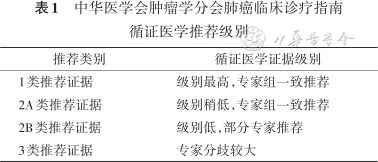
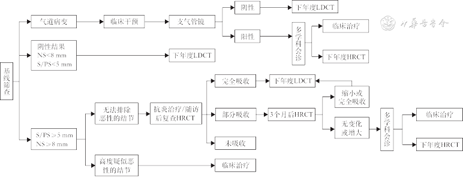
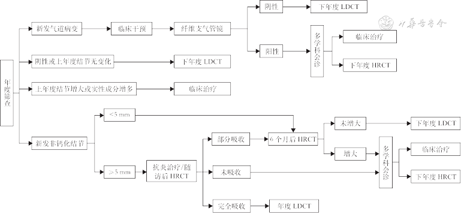
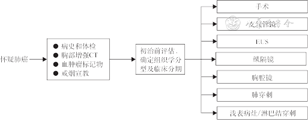
中华医学会肿瘤学分会, 中华医学会杂志社. 中华医学会肿瘤学分会肺癌临床诊疗指南(2021 版)[J]. 中华医学杂志, 2021, 101(23): 1725-1757. .