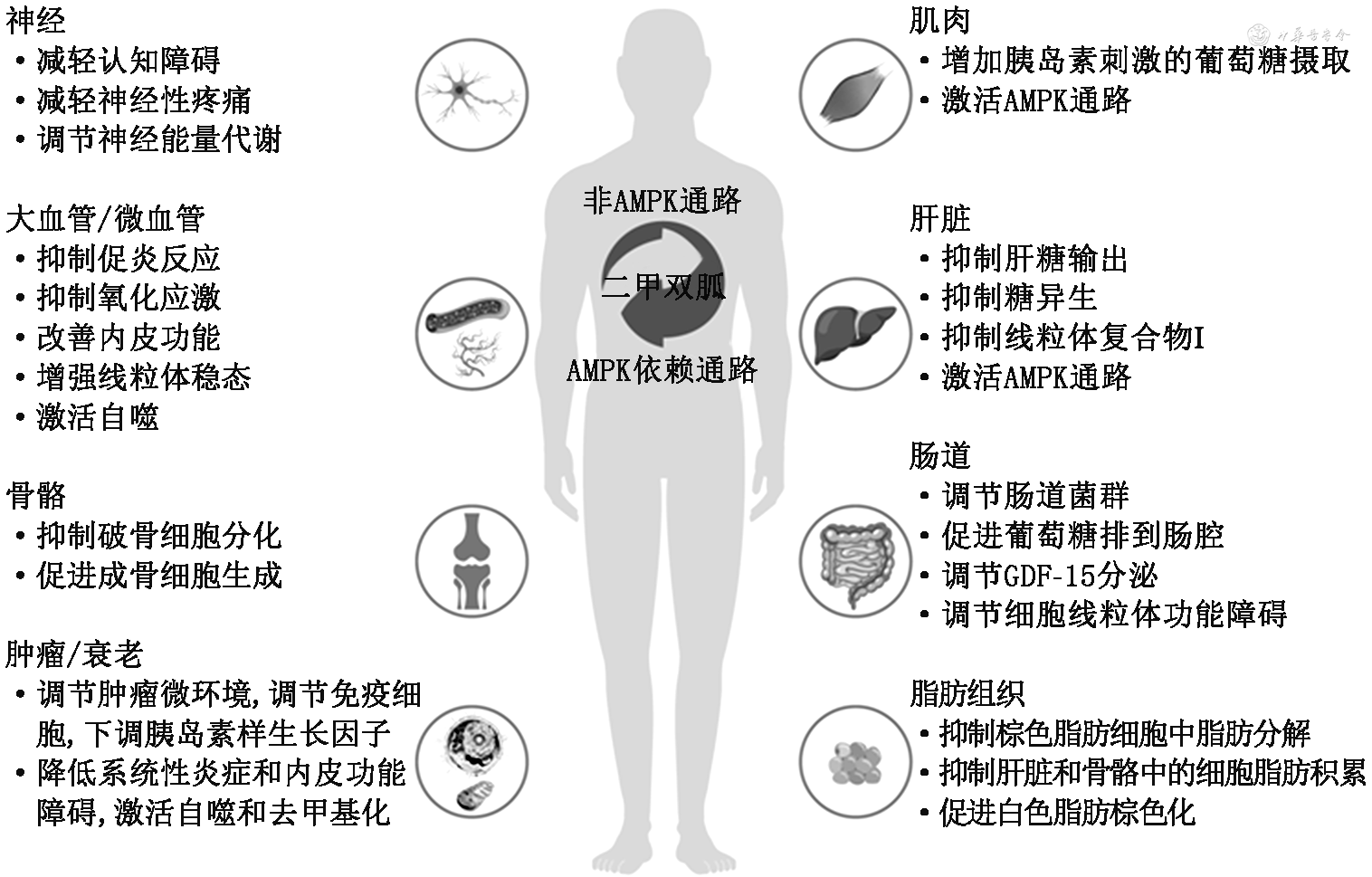
参考文献[1]
LiuJ, ZhangM, DengD, et al. The function, mechanisms, and clinical applications of metformin: potential drug, unlimited potentials[J]. Arch Pharm Res, 2023, 46(5):389-407. .
[2]
LaMoiaTE, ShulmanGI. Cellular and molecular mechanisms of metformin action[J]. Endocr Rev, 2021, 42(1):77-96. .
[3]
AfinanisaQ, ChoMK, SeongHA. AMPK localization: a key to differential energy regulation[J]. Int J Mol Sci, 2021, 22(20):10921. .
[4]
MaT, TianX, ZhangB, et al. Low-dose metformin targets the lysosomal AMPK pathway through PEN2[J]. Nature, 2022, 603(7899):159-165. .
[5]
ZhuH, JiaZ, LiYR, et al. Molecular mechanisms of action of metformin: latest advances and therapeutic implications[J]. Clin Exp Med, 2023, 23(7):2941-2951. .
[6]
LaMoiaTE, ButricoGM, KalpageHA, et al. Metformin, phenformin, and galegine inhibit complex Ⅳ activity and reduce glycerol-derived gluconeogenesis[J]. Proc Natl Acad Sci U S A, 2022, 119(10):e2122287119. .
[7]
Aguilar-RecarteD, BarrosoE, ZhangM, et al. A positive feedback loop between AMPK and GDF15 promotes metformin antidiabetic effects[J]. Pharmacol Res, 2023, 187:106578. .
[8]
MoritaY, NogamiM, SakaguchiK, et al. Enhanced release of glucose into the intraluminal space of the intestine associated with metformin treatment as revealed by [(18)F]fluorodeoxyglucose PET-MRI[J]. Diabetes Care, 2020, 43(8):1796-1802. .、
[9]
LiY, LiuY, LiuS, et al. Diabetic vascular diseases: molecular mechanisms and therapeutic strategies[J]. Signal Transduct Target Ther, 2023, 8(1):152. .
[10]
HolmanRR, PaulSK, BethelMA, et al. 10-year follow-up of intensive glucose control in type 2 diabetes[J]. N Engl J Med, 2008, 359(15):1577-1589. .
[12]
LiuJ, LuJ, ZhangL, et al. The combination of exercise and metformin inhibits TGF-β1/Smad pathway to attenuate myocardial fibrosis in db/db mice by reducing NF-κB-mediated inflammatory response[J]. Biomed Pharmacother, 2023, 157:114080. .
[13]
BuY, PengM, TangX, et al. Protective effects of metformin in various cardiovascular diseases: clinical evidence and AMPK-dependent mechanisms[J]. J Cell Mol Med, 2022, 26(19):4886-4903. .
[14]
KarnewarS, NeeliPK, PanugantiD, et al. Metformin regulates mitochondrial biogenesis and senescence through AMPK mediated H3K79 methylation: relevance in age-associated vascular dysfunction[J]. Biochim Biophys Acta Mol Basis Dis, 2018, 1864(4Pt A):1115-1128. .
[15]
RobichaudS, RasheedA, PietrangeloA, et al. Autophagy is differentially regulated in leukocyte and nonleukocyte foam cells during atherosclerosis[J]. Circ Res, 2022, 130(6):831-847. .
[16]
HeJ, LiN, FanY, et al. Metformin inhibits abdominal aortic aneurysm formation through the activation of the AMPK/mTOR signaling pathway[J]. J Vasc Res, 2021, 58(3):148-158. .
[17]
SuM, SunL, LiW, et al. Metformin alleviates hyperuricaemia-induced serum FFA elevation and insulin resistance by inhibiting adipocyte hypertrophy and reversing suppressed white adipose tissue beiging[J]. Clin Sci (Lond), 2020, 134(12):1537-1553. .
[18]
AminSV, KhannaS, ParvarSP, et al. Metformin and retinal diseases in preclinical and clinical studies: insights and review of literature[J]. Exp Biol Med (Maywood), 2022, 247(4):317-329. .
[19]
LiY, GappyS, LiuX, et al. Metformin suppresses pro-inflammatory cytokines in vitreous of diabetes patients and human retinal vascular endothelium[J]. PLoS One, 2022, 17(7):e0268451. .
[20]
NaharN, MohamedS, MustaphaNM, et al. Metformin attenuated histopathological ocular deteriorations in a streptozotocin-induced hyperglycemic rat model[J]. Naunyn Schmiedebergs Arch Pharmacol, 2021, 394(3):457-467. .
[21]
PetrazzuoloA, SabiuG, AssiE, et al. Broadening horizons in mechanisms, management, and treatment of diabetic kidney disease[J]. Pharmacol Res, 2023, 190:106710. .
[22]
SongA, ZhangC, MengX. Mechanism and application of metformin in kidney diseases: an update[J]. Biomed Pharmacother, 2021, 138:111454. .
[23]
ZhaoY, SunM. Metformin rescues Parkin protein expression and mitophagy in high glucose-challenged human renal epithelial cells by inhibiting NF-κB via PP2A activation[J]. Life Sci, 2020, 246:117382. .
[24]
石琳, 肖建中. 糖尿病患者中二甲双胍与急性肾损伤风险的关系:系统评价和荟萃分析[D]. 北京: 清华大学, 2023.
[25]
XuC, WangF, SuC, et al. Restoration of aquaporin-4 polarization in the spinal glymphatic system by metformin in rats with painful diabetic neuropathy[J]. Neuroreport, 2023, 34(3):190-197. .
[26]
IsmailTR, YapCG, NaiduR, et al. Environmental enrichment and metformin improve metabolic functions, hippocampal neuron survival, and hippocampal-dependent memory in high-fat/high-sucrose diet-induced type 2 diabetic rats[J]. Biology (Basel), 2023, 12(3):480. .
[27]
ZhangY, LiM, WangY, et al. Exosome/metformin-loaded self-healing conductive hydrogel rescues microvascular dysfunction and promotes chronic diabetic wound healing by inhibiting mitochondrial fission[J]. Bioact Mater, 2023, 26:323-336. .
[28]
ChengX, LiuYM, LiH, et al. Metformin is associated with higher incidence of acidosis, but not mortality, in individuals with COVID-19 and pre-existing type 2 diabetes[J]. Cell Metab, 2020, 32(4):537-547.e3. .
[29]
BlümelJE, ArteagaE, AedoS, et al. Metformin use is associated with a lower risk of osteoporosis in adult women independent of type 2 diabetes mellitus and obesity. REDLINC Ⅸ study[J]. Gynecol Endocrinol, 2020, 36(5):421-425. .
[30]
LuCH, ChungCH, KuoFC, et al. Metformin attenuates osteoporosis in diabetic patients with carcinoma in situ: a nationwide, retrospective, matched-cohort study in Taiwan[J]. J Clin Med, 2020, 9(9):2839. .
[31]
GuoX, LiangM. Metformin alleviates dexamethasone-induced apoptosis by regulating autophagy via AMPK/mTOR/p70S6K in osteoblasts[J]. Exp Cell Res, 2022, 415(1):113120. .
[32]
YangK, PeiL, ZhouS, et al. Metformin attenuates H(2)O(2)-induced osteoblast apoptosis by regulating SIRT3 via the PI3K/AKT pathway[J]. Exp Ther Med, 2021, 22(5):1316. .
[33]
GuoH, DingD, WangL, et al. Metformin attenuates osteoclast-mediated abnormal subchondral bone remodeling and alleviates osteoarthritis via AMPK/NF-κB/ERK signaling pathway[J]. PLoS One, 2021, 16(12):e0261127. .
[34]
YeeD, IsaacsC, WolfDM, et al. Ganitumab and metformin plus standard neoadjuvant therapy in stage 2/3 breast cancer[J]. NPJ Breast Cancer, 2021, 7(1):131. .
[35]
AlghandourR, EbrahimMA, ElshalAM, et al. Repurposing metformin as anticancer drug: randomized controlled trial in advanced prostate cancer (MANSMED)[J]. Urol Oncol, 2021, 39(12):831.e1.e10. .
[36]
ArrietaO, BarrónF, PadillaMS, et al. Effect of metformin plus tyrosine kinase inhibitors compared with tyrosine kinase inhibitors alone in patients with epidermal growth factor receptor-mutated lung adenocarcinoma: a phase 2 randomized clinical trial[J]. JAMA Oncol, 2019, 5(11):e192553. .
[37]
MarroneKA, ZhouX, FordePM, et al. A randomized phase Ⅱ study of metformin plus paclitaxel/carboplatin/bevacizumab in patients with chemotherapy-naïve advanced or metastatic nonsquamous non-small cell lung cancer[J]. Oncologist, 2018, 23(7):859-865. .
[38]
Fatehi HassanabadA, MacQueenKT. Molecular mechanisms underlining the role of metformin as a therapeutic agent in lung cancer[J]. Cell Oncol (Dordr), 2021, 44(1):1-18. .
[39]
CairnsJ, LyRC, NiuN, et al. CDC25B partners with PP2A to induce AMPK activation and tumor suppression in triple negative breast cancer[J]. NAR Cancer, 2020, 2(4):zcaa039. .
[40]
ElgendyM, CiròM, HosseiniA, et al. Combination of hypoglycemia and metformin impairs tumor metabolic plasticity and growth by modulating the PP2A-GSK3β-MCL-1 axis[J]. Cancer Cell, 2019, 35(5):798-815.e5. .
[41]
BirznieceV, LamT, McLeanM, et al. Insulin-like growth factor role in determining the anti-cancer effect of metformin: RCT in prostate cancer patients[J]. Endocr Connect, 2022, 11(4):e210375. .
[42]
Nwabo KamdjeAH, Seke EtetPF, KipanyulaMJ, et al. Insulin-like growth factor-1 signaling in the tumor microenvironment: carcinogenesis, cancer drug resistance, and therapeutic potential[J]. Front Endocrinol (Lausanne), 2022, 13:927390. .
[43]
KurelacI, Umesh GaneshN, IorioM, et al. The multifaceted effects of metformin on tumor microenvironment[J]. Semin Cell Dev Biol, 2020, 98:90-97. .
[44]
DongS, XiaoY, ZhuZ, et al. Metformin sensitises osteosarcoma to chemotherapy<em>via</em>the IGF-1R/miR-610/FEN1 pathway[J]. Eur J Histochem, 2023, 67(2):3612. .
[45]
WangY, HuJ, SunY, et al. Metformin synergizes with PD-L1 monoclonal antibody enhancing tumor immune response in treating non-small cell lung cancer and its molecular mechanism investigation[J]. Evid Based Complement Alternat Med, 2022:5983959. .
[46]
SluggettJK, KoponenM, BellJS, et al. Metformin and risk of Alzheimer′s disease among community-dwelling people with diabetes: a national case-control study[J]. J Clin Endocrinol Metab, 105(4):dgz234. .
[47]
RojasM, Chávez-CastilloM, BautistaJ, et al. Alzheimer′s disease and type 2 diabetes mellitus: pathophysiologic and pharmacotherapeutics links[J]. World J Diabetes, 2021, 12(6):745-766. .
[48]
ChenY, ZhaoS, FanZ, et al. Metformin attenuates plaque-associated tau pathology and reduces amyloid-β burden in APP/PS1 mice[J]. Alzheimers Res Ther, 2021, 13(1):40. .
[49]
ZhaoS, FanZ, ZhangX, et al. Metformin attenuates tau pathology in tau-seeded PS19 mice[J]. Neurotherapeutics, 2023, 20(2):452-463. .
[50]
KulkarniAS, BrutsaertEF, AnghelV, et al. Metformin regulates metabolic and nonmetabolic pathways in skeletal muscle and subcutaneous adipose tissues of older adults[J]. Aging Cell, 2018, 17(2):e12723. .
[51]
LiS, HouY, LiuK, et al. Metformin protects against inflammation, oxidative stress to delay poly I:C-induced aging-like phenomena in the gut of an annual fish[J]. J Gerontol A Biol Sci Med Sci, 2022, 77(2):276-282. .
[52]
InduriS, KansaraP, ThomasSC, et al. The gut microbiome, metformin, and aging[J]. Annu Rev Pharmacol Toxicol, 2022, 62:85-108. .