
刊庆专栏
神经免疫疾病近十年的研究进展和热点问题
中华内科杂志, 2024,63(11) : 1033-1040. DOI: 10.3760/cma.j.cn112138-20240531-00358
摘要

近年来神经免疫学的快速发展,以多发性硬化、视神经脊髓炎谱系疾病、自身免疫性脑炎和副肿瘤综合征为代表的神经免疫疾病,已经成为神经病学领域的一大类疾病,发病机制不同,临床表现复杂、致残性高。单细胞测序、高通量和空间转录组等分子研究手段促进对病理生理的认识,免疫诊断技术和影像学检查促进了该类疾病的诊断,新型单抗药物研发和多中心临床试验推动疾病修饰疗法进入临床应用。本文对神经免疫疾病领域近十年的研究进展和热点问题进行讨论,列举了我国神经免疫学的研究成果,并预测这一领域的发展前景和迈向分子医学疾病诊治的必然。


引用本文: 苏磊, 施福东, 王维治. 神经免疫疾病近十年的研究进展和热点问题 [J] . 中华内科杂志, 2024, 63(11) : 1033-1040. DOI: 10.3760/cma.j.cn112138-20240531-00358.
参考文献导出:   Endnote    NoteExpress    RefWorks    NoteFirst    医学文献王
扫  描  看  全  文

正文
作者信息
基金 0  关键词  0
English Abstract
评论
阅读 0  评论  0
相关资源
引用 | 论文 | 视频

版权归中华医学会所有。

未经授权,不得转载、摘编本刊文章,不得使用本刊的版式设计。

除非特别声明,本刊刊出的所有文章不代表中华医学会和本刊编委会的观点。

神经免疫疾病的谱系范围广泛,其疾病负担在所有神经系统疾病中高达30%左右1, 2。神经免疫疾病的共同免疫学致病机制源于机体错误地识别位于中枢神经系统(CNS)、周围神经系统或神经肌肉接头等部位的自身功能蛋白,造成相应器官系统受损。其中,包括继发于肺癌等肿瘤的神经系统病变被统称为副肿瘤综合征,发病是由免疫系统攻击肿瘤和神经结构的共同表位所导致。抗PD-1单抗等免疫检查点抑制剂(immune checkpoint inhibitors,ICIs)在癌症患者中的广泛应用会对免疫系统产生不必要的攻击,免疫相关不良反应(immune-related adverse events,irAEs)约占治疗人数的40%3。此外,一些系统性自身免疫病或代谢性疾病如系统性红斑狼疮、甲状腺疾病等也可累及CNS或周围神经系统。

神经免疫疾病具有异质性,通常起病隐匿,诊断一直具有挑战性。随着人们认识到长期随访的重要性,以及先进实验室技术和神经影像学检查的普及,越来越多的疾病能及时得到诊断。在神经病学所有的分支学科,乃至整个医学发展中,神经免疫学研究对促进疾病机制的理解和推动新疗法方面上取得了重大进展。本文总结神经免疫疾病在过去十年中取得的重要进展,分析各类神经免疫疾病存在的突出问题,介绍我国研究者的贡献,对未来十年的发展趋势进行了展望。

一、中枢神经系统自身免疫性疾病
(一)多发性硬化

Bjornevik等4开展的重要队列研究以及Lanz等5的发现巩固了EB病毒(Epstein-Barr virus,EBV)在诱导多发性硬化(multiple sclerosis,MS)发病中的作用,这些研究还为MS分子模拟发病机制提供了有力证据,启发了Hauser在2023年欧洲多发性硬化治疗与研究大会(ECTRIMS)会议上提出通过接种EBV疫苗有可能达到治愈MS的目标。目前的问题是MS患者确切由EBV引起发病者较少,以及如何识别这类处于临床前期的患者。联合95项MS易感基因检查以及自身抗体的偶联检测可能有助于MS发病前筛查患病个体6。目前已有大量研究通过单细胞测序等免疫学技术揭示了MS患者脑内胶质细胞、免疫细胞和少突胶质细胞之间的复杂交互作用7。此外,目前针对MS的细胞疗法主要基于B细胞和T细胞之间相互作用研究8。MS进展的研究证实骨髓髓系增生可维持髓鞘反应性T细胞存活9。依据真实的临床事件,MS的诊断标准在2017年进行了修订10,并将寡克隆区带的存在作为空间播散的证据之一。

MS的治疗版图包含数目众多的药物,但大都具有类似的作用机理,许多药物衍生于某一特定类型的获批药,而非新药,如由芬戈莫德(fingolimod)衍生出西尼莫德(siponimod)、奥扎莫德(ozanimod)和波内西莫德(ponesimod),由利妥昔单抗(rituximab)再到奥瑞珠单抗(ocrelizumab)、奥法妥木单抗(ofatumumab)等。随着20种疾病修饰药物(disease modifying drug,DMD)在全球市场,包括7种DMD在中国上市,临床医生获得了更多的治疗方法,炎症的减轻可反映在MRI的增强病灶和T2新病灶数量减少。尽管如此,MS在治疗后仍然不断累积神经功能缺损和持续发生皮质萎缩。这种残疾进展被归咎于独立于复发活动的进展(progression independent of relapse activity,PIRA),目前认为当前获批的DMD药物无法有效干预驱动MS进展的区域性炎症,部分原因是这些药物无法透过完整的血脑屏障抵达脑部。Bruton酪氨酸激酶(BTK)抑制剂克服了这一问题,可直接作用于神经胶质细胞和迁移入脑的髓样细胞,但是Ⅲ期实验结果提示疗效不优于特立氟胺11。MS的神经退行性变是另一面临的挑战,潜在机制不清,目前尚无有效药物或新疗法12

预期未来十年MS的管理将纳入常规检测患者的神经丝轻链蛋白(neurofilament light,NfL)水平,作为监测神经退行性变的手段,我们期待MS临床亚型的定义和治疗将朝着分子分型方向发展,从而为符合某些适应证的患者提供更精准的治疗;未来也有望发现疾病进展的新机制,开发新型疗法以控制MS进展。

(二)视神经脊髓炎谱系疾病

视神经脊髓炎谱系疾病(neuromyelitis optica spectrum disorders,NMOSD)是一种以视神经炎和脊髓炎为主要临床表现的中枢神经系统自身免疫性疾病,具有高复发性和高致残性,大多数NMOSD患者体内存在血清特异性抗水通道蛋白4的自身抗体(AQP4-IgG)。基于住院病历系统和医保数据,我国NMOSD发病率分别为0.45/10万13和0.41/10万14,推测实际发病率会高于这些数字,患病率尚未知。NMOSD的诊断一般采用2015年国际视神经脊髓炎诊断小组(International Panel for NMO Diagnosis,IPND)提出的修订诊断标准15,血清学AQP4-IgG阳性即可诊断NMOSD,而不依赖于脑脊液检测。AQP4抗体阳性的NMOSD患者复发风险较抗体阴性的患者高,血清AQP4的抗体滴度与疾病是否活动无关,但可提示疾病在发作期的严重程度。急性期使用免疫治疗后抗体滴度的降低可作为治疗有效的评价指标之一16。近十年来NMOSD领域最突出的是,完成了多个随机对照临床试验,国际上已批准三类免疫疗法用于预防AQP4-IgG阳性NMOSD,包括补体抑制剂(依库珠单抗和雷夫利珠单抗)、IL-6R阻断剂(萨特利珠单抗)和B细胞删除疗法(抗CD19伊奈利珠单抗)17, 18, 19, 20, 21。我国的TANGO研究和日本的RIN-1研究也分别证实抗IL-6R单抗托珠单抗和抗CD20单抗利妥昔单抗治疗NMOSD的有效性22, 23。这些疗法有可能取代口服激素和传统的免疫抑制剂如硫唑嘌呤和吗替麦考酚酯等,成为治疗AQP4-IgG阳性NMOSD的主要方法。由于这些疗法之间尚无头对头的比较性研究,临床应用的优选顺序尚不明确,需要结合患者的具体情况开展个体化治疗,适度调整,并在真实世界中长期观察它们的疗效性和安全性(Delphi共识)24

(三)髓鞘少突胶质细胞糖蛋白抗体相关疾病

髓鞘少突胶质细胞糖蛋白抗体相关疾病(myelinoligodendrocyte glycoprotein associated disease,MOGAD)是不同于MS和NMOSD的另一中枢神经系统(CNS)自身免疫性疾病,2018年被定义为新的独立疾病25,临床表型多样,包括视神经炎、脊髓炎、急性播散性脑脊髓炎、皮质脑炎等。推荐使用基于活细胞的检测技术(live-cell based assay,CBA)进行髓鞘少突胶质细胞糖蛋白(MOG)抗体和AQP4抗体检测,以鉴别这两类疾病26。诊断MOGAD可采用2023年MOGAD研究小组制定的标准,血清和脑脊液(CSF)需要同时检测27。不同滴度的MOGAD抗体水平需要结合典型的临床脱髓鞘事件和影像学特征来做出诊断。起病时的血清MOG-IgG滴度对疾病恢复和复发的提示作用不大,但病程中持续的MOG-IgG血清阳性与复发的可能性增加相关27。MOGAD治疗包括急性期和缓解期治疗,后者旨在减少复发,但目前尚无国家药监局和FDA批准的预防复发药物。临床经验及个案报道表明,低剂量激素和间歇性IVIG治疗可能会降低MOGAD复发率28, 29,但副作用或经济因素限制了它们的长期应用。B细胞删除疗法(利妥昔单抗)和IL-6R(托珠单抗)可能降低MOGAD复发率30, 31, 32,适合患者人群并不清楚。目前国际上正在进行FcRn拮抗剂Rozanolixizumab和IL-6R阻断剂萨特利珠单抗的随机对照多中心临床试验,结果待于2026年后公布。

(四)自身免疫性脑炎

自身免疫性脑炎(autoimmune encephalitis,AE)是近10年来发展较快的神经免疫病之一,由于AE的预后与早期和及时免疫治疗相关,为了提高神经科医生对AE的认识,避免漏诊,2016年首次提出了AE诊断标准33。流行病学研究发现,AE的患病率为13.7/10万34。随着实验室检测技术的提高,越来越多的细胞膜表面和胞内抗体被发现,专家提出临床诊断更应关注脑脊液抗体35。AE相关抗体的致病机制不断被描述36,为治疗药物开发提供了依据。由于AE的异质性较大,抗体滴度与病程的关系、治疗的策略可因一种抗体相关综合征或临床亚型而异37;并提出和应用AE严重程度评分(clinical assessment scale,CASE)38和判断NMDAR抗体脑炎预后评分(one-year functional status score,NEOS)39。近几年,抗体阴性AE的诊断和治疗策略研究较多40, 41。为避免误诊,可通过普及脑脊液CBA以及基于组织的检测技术(tissue based assay,TBA)检测,提高抗体检出率;确未发现抗体者,应寻找脑脊液和影像学炎症证据,FDG-PET/CT或许能为AE的确诊提供依据42;最重要是排除其他可能疾病,如新发难治性癫痫持续状态(NORSE)、原发性精神障碍、克-雅病、淋巴瘤和线粒体病等35。相信随着自身抗体的不断丰富,开展相同机制AE患者RCT研究,可为AE患者确定治疗持续时间,新药探索和转归生物标记物开发提供依据。

二、周围神经系统自身免疫性疾病

周围神经系统自身免疫性疾病以吉兰-巴雷综合征(Guillain-Barre syndrome,GBS)和慢性炎症性脱髓鞘性多神经病(CIDP)最常见。近十年来的研究进展主要包括:基于全国住院病历数据,我国GBS发病率,成人为0.829例/10万人43。目前认为,寨卡病毒也可导致GBS发病率急剧上升44, 45,但新型冠状病毒(COVID-19)及疫苗接种与GBS的关系尚存争议,需进一步论证46, 47。病理生理学方面,空肠弯曲菌相关的急性运动轴索神经病中,致病自身抗体通过分子模拟作用靶向周围神经的神经节苷脂导致神经损伤48, 49。然而,大多数GBS患者[尤其是急性炎症性脱髓鞘性多发性神经根神经病(acute inflammatory demyelinating polyradiculoneuropathy,AIDP)亚型患者]缺乏抗神经节苷脂抗体,Súkeníková等50鉴定出靶向髓鞘的自身反应性T细胞,并在GBS患者血液和脑脊液中发现了相似的自身反应性TCRβ克隆群的扩增,这为炎症性周围神经病研究开辟了新视角。近年来针对CIDP发病机制的一个重要进展是2013年Uncini等51首次提出“自身免疫性郎飞结/结旁病”概念52。目前认为这是一组独立的疾病,主要病理表现并非炎症或巨噬细胞介导的脱髓鞘病变,而是在郎飞结或结旁区域髓鞘和轴索交界连接处出现髓鞘袢与轴索分离。不同的郎飞结/结旁抗体相关疾病的临床表现不同,抗体滴度与疾病预后的关系仍不明确。治疗普遍对丙种球蛋白反应差,B细胞删除治疗是IgG4抗体阳性郎飞结/结旁病的合理选择,抗体类型及亚型检测有助于指导治疗方案选择。

三、自身免疫性神经-肌肉接头疾病

近年来,重症肌无力(myasthenia gravis,MG)和Lambert-Eaton肌无力综合征(LEMS)等抗体介导的自身免疫性神经肌肉接头疾病研究取得巨大进展53, 54。MG患者自身抗体滴度的变化与临床症状有一定的相关性,治疗过程中抗体滴度的下降常常提示治疗有效55。第一,流行病学数据不断完善,从全球来看患病率呈增加趋势56,我国也于2020年第一次基于住院病历系统和医保数据对我国所有年龄组的MG发病率和死亡率进行了研究57。第二,实验室诊断技术和生物标志物取得新进展,抗体种类不断丰富58,检测技术除了经典的酶联免疫和放射免疫,CBA在神经免疫病自身抗体实验室诊断中逐步实现普及59。第三,胸腺切除在非胸腺瘤MG中获益被证实,来自一项长程随机对照试验结果明确了胸腺切除术对非胸腺瘤MG的长期治疗作用和安全性60, 61。第四,MG治疗格局变化,伴随着MG治疗领域数十个重要的高质量的随机对照试验(randomized controlled trial,RCT)问世,各种生物制剂相继上市(靶向参与MG病理机制的免疫系统各个组分的单克隆抗体,包括靶向FcRn,补体C5)以及细胞治疗的突破性进展[嵌合抗原受体T细胞(chimeric antigen receptor T-cell,CAR-T),CAAR-T细胞],改写了MG循证医学治疗的格局,MG治疗正从传统免疫治疗进入到分子治疗时代62, 63。与MG治疗相似的多种免疫疗法已在LEMS治疗中取得了一些成功,尤其在严重的难治性病例64, 65, 66。相信随着各种靶向药物的临床试验、生物标志物与治疗决策、发病机制和结果事件之间关系的深入研究,最终有助于实现个体化管理及精准治疗。

四、神经系统自身免疫性疾病的实验室诊断

近十年来,神经免疫病的实验室诊断技术、标记物研发和诊断普及性均取得了新的突破。如美国梅奥医学中心Lennon等67发现的NMO-IgG抗体,是神经免疫学研究的划时代贡献,证实NMO-IgG的靶抗原为AQP4,NMO是独立的疾病,其高度特异性和敏感性彻底改变了NMOSD的诊断标准。除了经典实验室诊断技术如寡克隆带、酶联免疫和放射免疫等,CBA由于具有保持抗原空间构象和高诊断特异性优势在神经免疫病自身抗体实验诊断中逐渐普及。与经典免疫学方法相比,国内外研究表明CBA是神经免疫病自身抗体如AChR、MuSK和MOG等的首选诊断方法或金标准2659,并写入相关神经免疫病诊治指南2768, 69。目前,用于临床诊断的神经免疫病自身抗体种类达100余种并仍在逐年增加,其中罕见抗体的诊断方法学、滴度与疾病严重程度/预后的相关性尚待更多临床实践来证实33。此外,神经系统特异性抗原[髓鞘碱性蛋白(myelin basic protein,MBP)、胶质纤维酸性蛋白(glial fibrillary acidic protein,GFAP)、NfL等]的实验室检测可以为中枢神经免疫病的诊断和预后评估等提供重要参考70, 71, 72。近年来,我国神经免疫病实验室诊断技术/试剂的自主化水平显著提升,但同时应注意到相关诊断服务的标准化、规范化和诊断结果互认水平仍亟待改善。随着现有诊断技术的不断革新以及多组学、人工智能和大队列等研究热点的进展,实验室诊断对神经免疫病的鉴别诊断、病程监控、疗效/预后评估、药物靶点筛选等将具有更广泛的应用。

五、神经系统自身免疫性疾病的影像学诊断

以磁共振成像(MRI)为代表的神经系统成像方法是诊断多种神经免疫疾病的重要手段,近十年来,随着扫描技术的更新、新设备的应用和普及,该领域取得了重要进展。除了视神经脂肪抑制序列、脑和脊髓的常规扫描外,得益于T2*加权图像磁敏感效应增强,使得MS病灶的中央静脉征(central vein sign,CVS)以及顺磁性边缘病变(paramagnetic rim lesion,PRL)得到了广泛认识,由于CVS的高度诊断效能73, 74,使其有望成为与其他疾病鉴别的MRI标记物;PRL的周围聚集了经病理学证实的巨噬细胞及活化的小胶质细胞75,并且可导致残障的持续累积和进展76;随着分辨率增高(如7T-MRI使用)提高了皮质病灶、三叉神经病灶77等部分“隐匿性”病灶的可见性,其中皮质病灶与肢体和认知障碍的进展密切相关78。基于上述潜在的MRI标记物进行早期鉴别诊断以及作为相关临床试验的终点事件,将成为未来研究的热点。此外,对高级序列(3D-T1WI、DTI等)的定量分析,亦发现MS、NMOSD、MOGAD在颅脑灰质萎缩模式、白质结构变化、脊髓萎缩等方面存在差异79, 80, 81。对于高级序列的进一步分析,以及基于经典扩散模型和人工智能算法进行序列的创新及应用,探索新的MRI标记物(AQP4成像82、类淋巴系统成像83等)亦是未来研究的热点。

六、中国对神经免疫领域的贡献

在过去10年间,中国涌现了许多神经免疫学领域的临床和基础研究,开展了大量前所未有的高质量多中心临床试验。中国多名神经内科医师应邀参与了MS、NMO和MOGAD等国际指南的更新84, 85, 86,并在国际组织担任重要职务,包括泛亚多发性硬化治疗和研究委员会(PACTRIMS)科学主席、欧洲夏洛科基金会(ECF)成员等,提升了中国神经免疫界在国际舞台上的知名度,也推动了2017年的PACTRIMS会议以及即将进行的2024年国际神经免疫学校(APSNI)会议在中国举办。

在国家神经系统疾病临床研究中心的主持下,中国CNS炎性脱髓鞘疾病登记研究(CNRID)于2021年这一历史性时刻正式启动,到截稿日期,MS、NMOSD登记数分别达到916例和763例。长期随访,质量控制所需要的巨大资源将决定数据库的未来。

七、结语

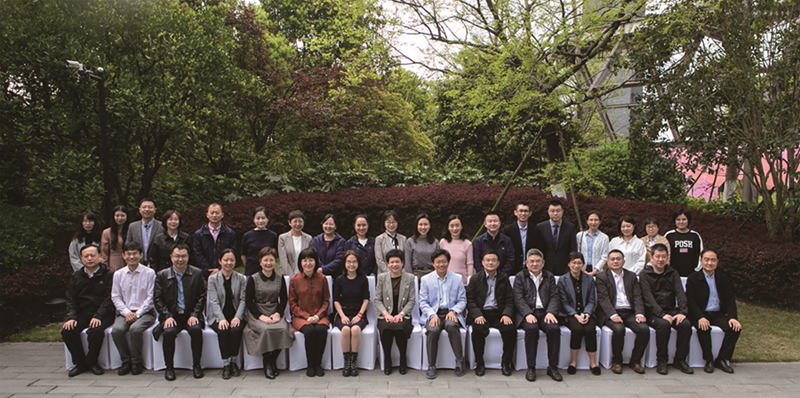
神经免疫学一直是一个迅速发展的领域,以最快的速度将基础科学的突破转化为临床诊疗技术。由于神经炎症是许多重要的神经系统疾病,如卒中、脑肿瘤、脑创伤、AD和帕金森病的共同致病线索87, 88,近年来我国许多年轻的精英致力于神经免疫病的临床和实验研究,提升了MRI检查、实验室技术和疾病修正治疗的普及水平,我国神经免疫疾病的诊断、治疗和管理水平日新月异,随着中国神经免疫中心开展的合作研究逐步推进,在过去的十年中做出许多引人瞩目的原创贡献的基础上,必将进一步发展和进步。赵葆洵、吕传真、许贤豪、胡学强、郭力教授等先辈将火炬传递给了我们,我们带着历史的责任和信心,将这场比赛传递到下一个十年。图1为神经免疫学组第八届部分成员于2021年3月杭州组会合影。
点击查看大图
图1
神经免疫学组第八届部分成员于2021年3月杭州组会合影
点击查看大图
图1
神经免疫学组第八届部分成员于2021年3月杭州组会合影
引用本文:

苏磊, 施福东, 王维治. 神经免疫疾病近十年的研究进展和热点问题[J]. 中华内科杂志, 2024, 63(11): 1033-1040. DOI: 10.3760/cma.j.cn112138-20240531-00358.

志谢

感谢张超、樊茉丽、常婷、李瑀靖、李治国、郑培、姚楠等协助完成撰稿;对于那些因篇幅所限而未被引用的作者,深表歉意

利益冲突
利益冲突

所有作者声明无利益冲突

参考文献
[1]
GBD 2021 Nervous System Disorders Collaborators. Global, regional, and national burden of disorders affecting the nervous system, 1990—2021: a systematic analysis for the Global Burden of Disease Study 2021[J]. Lancet Neurol, 2024, 23(4): 344-381. DOI: 10.1016/S1474-4422(24)00038-3.
[2]
WangY, LiangJ, FangY, et al. Burden of Common Neurologic Diseases in Asian Countries, 1990—2019: An Analysis for the Global Burden of Disease Study 2019[J]. Neurology, 2023, 100(21): e2141-e2154. DOI: 10.1212/WNL.0000000000207218.
[3]
LiL, LiG, RaoB, et al. Landscape of immune checkpoint inhibitor-related adverse events in Chinese population[J]. Sci Rep, 2020, 10(1): 15567. DOI: 10.1038/s41598-020-72649-5.
[4]
BjornevikK, CorteseM, HealyBC, et al. Longitudinal analysis reveals high prevalence of Epstein-Barr virus associated with multiple sclerosis[J]. Science, 2022, 375(6578): 296-301. DOI: 10.1126/science.abj8222.
[5]
LanzTV, BrewerRC, HoPP, et al. Clonally expanded B cells in multiple sclerosis bind EBV EBNA1 and GlialCAM[J]. Nature, 2022, 603(7900): 321-327. DOI: 10.1038/s41586-022-04432-7.
[6]
ZamecnikCR, SowaGM, AbdelhakA, et al. An autoantibody signature predictive for multiple sclerosis[J]. Nat Med, 2024, 30(5): 1300-1308. DOI: 10.1038/s41591-024-02938-3.
[7]
AbsintaM, MaricD, GharagozlooM, et al. A lymphocyte-microglia-astrocyte axis in chronic active multiple sclerosis[J]. Nature, 2021, 597(7878): 709-714. DOI: 10.1038/s41586-021-03892-7.
[8]
JelcicI, Al NimerF, WangJ, et al. Memory B cells activate brain-homing, autoreactive CD4(+) T cells in multiple sclerosis[J]. Cell, 2018, 175(1): 85-100.e23. DOI: 10.1016/j.cell.2018.08.011.
[9]
ShiK, LiH, ChangT, et al. Bone marrow hematopoiesis drives multiple sclerosis progression[J]. Cell, 2022, 185(13): 2234-2247.e17. DOI: 10.1016/j.cell.2022.05.020.
[10]
ThompsonAJ, BanwellBL, BarkhofF, et al. Diagnosis of multiple sclerosis: 2017 revisions of the McDonald criteria[J]. Lancet Neurol, 2018, 17(2): 162-173. DOI: 10.1016/S1474-4422(17)30470-2.
[11]
MontalbanX, VermerschP, ArnoldDL, et al. Efficacy and safety of evobrutinib versus teriflunomide in relapsing multiple sclerosis: results from the phase 3 evolution RMS 1 and 2 Trials. ACTRIMS Forum[R/OL].[2024-05-31]. https://www.abstractsonline.com/pp8/#!/20258/presentation/696(2024).
[12]
TurC, TintoréM. Multiple sclerosis in 2023: beyond the boundaries[J]. Lancet Neurol, 2024, 23(1): 22-24. DOI: 10.1016/S1474-4422(23)00459-3.
[13]
TianDC, LiZ, YuanM, et al. Incidence of neuromyelitis optica spectrum disorder (NMOSD) in China: A national population-based study[J]. Lancet Reg Health West Pac, 2020, 2: 100021. DOI: 10.1016/j.lanwpc.2020.100021.
[14]
WuY, YangM, GaoP, et al. Incidence of neuromyelitis optica spectrum disorders in China: a large cohort study using claim data[J]. BMJ Open, 2022, 12(1): e048942. DOI: 10.1136/bmjopen-2021-048942.
[15]
WingerchukDM, BanwellB, BennettJL, et al. International consensus diagnostic criteria for neuromyelitis optica spectrum disorders[J]. Neurology, 2015, 85(2): 177-189. DOI: 10.1212/WNL.0000000000001729.
[16]
LiuJ, TanG, LiB, et al. Serum aquaporin 4-immunoglobulin G titer and neuromyelitis optica spectrum disorder activity and severity: a systematic review and Meta-analysis [J]. Front Neurol, 2021, 12: 746959. DOI: 10.3389/fneur.2021.746959.
[17]
PittockSJ, BertheleA, FujiharaK, et al. Eculizumab in aquaporin-4-positive neuromyelitis optica spectrum disorder[J]. N Engl J Med, 2019, 381(7): 614-625. DOI: 10.1056/NEJMoa1900866.
[18]
PittockSJ, BarnettM, BennettJL, et al. Ravulizumab in aquaporin-4-positive neuromyelitis optica spectrum disorder[J]. Ann Neurol, 2023, 93(6): 1053-1068. DOI: 10.1002/ana.26626.
[19]
TraboulseeA, GreenbergBM, BennettJL, et al. Safety and efficacy of satralizumab monotherapy in neuromyelitis optica spectrum disorder: a randomised, double-blind, multicentre, placebo-controlled phase 3 trial[J]. Lancet Neurol, 2020, 19(5): 402-412. DOI: 10.1016/S1474-4422(20)30078-8.
[20]
YamamuraT, KleiterI, FujiharaK, et al. Trial of satralizumab in neuromyelitis optica spectrum disorder[J]. N Engl J Med, 2019, 381(22): 2114-2124. DOI: 10.1056/NEJMoa1901747.
[21]
CreeB, BennettJL, KimHJ, et al. Inebilizumab for the treatment of neuromyelitis optica spectrum disorder (N-MOmentum): a double-blind, randomised placebo-controlled phase 2/3 trial[J]. Lancet, 2019, 394(10206): 1352-1363. DOI: 10.1016/S0140-6736(19)31817-3.
[22]
ZhangC, ZhangM, QiuW, et al. Safety and efficacy of tocilizumab versus azathioprine in highly relapsing neuromyelitis optica spectrum disorder (TANGO): an open-label, multicentre, randomised, phase 2 trial[J]. Lancet Neurol, 2020, 19(5): 391-401. DOI: 10.1016/S1474-4422(20)30070-3.
[23]
TaharaM, OedaT, OkadaK, et al. Safety and efficacy of rituximab in neuromyelitis optica spectrum disorders (RIN-1 study): a multicentre, randomised, double-blind, placebo-controlled trial[J]. Lancet Neurol, 2020, 19(4): 298-306. DOI: 10.1016/S1474-4422(20)30066-1.
[24]
PaulF, MarignierR, PalaceJ, et al. International Delphi Consensus on the Management of AQP4-IgG+NMOSD: Recommendations for Eculizumab, Inebilizumab, and Satralizumab[J]. Neurol Neuroimmunol Neuroinflamm, 2023, 10(4): e200124. DOI: 10.1212/NXI.0000000000200124.
[25]
JariusS, PaulF, AktasO, et al. MOG encephalomyelitis: international recommendations on diagnosis and antibody testing[J]. J Neuroinflammation, 2018, 15(1): 134. DOI: 10.1186/s12974-018-1144-2.
[26]
YehEA, NakashimaI. Live-cell based assays are the gold standard for anti-MOG-Ab testing[J]. Neurology, 2019, 92(11): 501-502. DOI: 10.1212/WNL.0000000000007077.
[27]
BanwellB, BennettJL, MarignierR, et al. Diagnosis of myelin oligodendrocyte glycoprotein antibody-associated disease: International MOGAD Panel proposed criteria[J]. Lancet Neurol, 2023, 22(3): 268-282. DOI: 10.1016/S1474-4422(22)00431-8.
[28]
JariusS, RuprechtK, KleiterI, et al. MOG-IgG in NMO and related disorders: a multicenter study of 50 patients. Part 2: Epidemiology, clinical presentation, radiological and laboratory features, treatment responses, and long-term outcome[J]. J Neuroinflammation, 2016, 13(1): 280. DOI: 10.1186/s12974-016-0718-0.
[29]
ChenJJ, HudaS, HacohenY, et al. Association of maintenance intravenous immunoglobulin with prevention of relapse in adult myelin oligodendrocyte glycoprotein antibody-associated disease[J]. JAMA Neurol, 2022, 79(5): 518-525. DOI: 10.1001/jamaneurol.2022.0489.
[30]
BarrerasP, VasileiouES, FilippatouAG, et al. Long-term effectiveness and safety of rituximab in neuromyelitis optica spectrum disorder and MOG antibody disease[J]. Neurology, 2022, 99(22): e2504-e2516. DOI: 10.1212/WNL.0000000000201260.
[31]
RingelsteinM, AyzenbergI, LindenblattG, et al. Interleukin-6 receptor blockade in treatment-refractory MOG-IgG-associated disease and neuromyelitis optica spectrum disorders[J]. Neurol Neuroimmunol Neuroinflamm, 2022, 9(1): e1100. DOI: 10.1212/NXI.0000000000001100.
[32]
ElsberndPM, HoffmanWR, CarterJL, et al. Interleukin-6 inhibition with tocilizumab for relapsing MOG-IgG associated disorder (MOGAD): A case-series and review[J]. Mult Scler Relat Disord, 2021, 48: 102696. DOI: 10.1016/j.msard.2020.102696.
[33]
GrausF, TitulaerMJ, BaluR, et al. A clinical approach to diagnosis of autoimmune encephalitis[J]. Lancet Neurol, 2016, 15(4): 391-404. DOI: 10.1016/S1474-4422(15)00401-9.
[34]
DubeyD, PittockSJ, KellyCR, et al. Autoimmune encephalitis epidemiology and a comparison to infectious encephalitis[J]. Ann Neurol, 2018, 83(1): 166-177. DOI: 10.1002/ana.25131.
[35]
DalmauJ, GrausF. Diagnostic criteria for autoimmune encephalitis: utility and pitfalls for antibody-negative disease[J]. Lancet Neurol, 2023, 22(6): 529-540. DOI: 10.1016/S1474-4422(23)00083-2.
[36]
DalmauJ, GeisC, GrausF. Autoantibodies to synaptic receptors and neuronal cell surface proteins in autoimmune diseases of the central nervous system[J]. Physiol Rev, 2017, 97(2): 839-887. DOI: 10.1152/physrev.00010.2016.
[37]
AbboudH, ProbascoJC, IraniS, et al. Autoimmune encephalitis: proposed best practice recommendations for diagnosis and acute management[J]. J Neurol Neurosurg Psychiatry, 2021, 92(7): 757-768. DOI: 10.1136/jnnp-2020-325300.
[38]
LimJA, LeeST, MoonJ, et al. Development of the clinical assessment scale in autoimmune encephalitis[J]. Ann Neurol, 2019, 85(3): 352-358. DOI: 10.1002/ana.25421.
[39]
BaluR, McCrackenL, LancasterE, et al. A score that predicts 1-year functional status in patients with anti-NMDA receptor encephalitis[J]. Neurology, 2019, 92(3): e244-e252. DOI: 10.1212/WNL.0000000000006783.
[40]
FlanaganEP, GeschwindMD, Lopez-ChiribogaAS, et al. Autoimmune encephalitis misdiagnosis in adults[J]. JAMA Neurol, 2023, 80(1): 30-39. DOI: 10.1001/jamaneurol.2022.4251.
[41]
LeeWJ, LeeHS, KimDY, et al. Seronegative autoimmune encephalitis: clinical characteristics and factors associated with outcomes[J]. Brain, 2022, 145(10): 3509-3521. DOI: 10.1093/brain/awac166.
[42]
ProbascoJC, SolnesL, NalluriA, et al. Abnormal brain metabolism on FDG-PET/CT is a common early finding in autoimmune encephalitis[J]. Neurol Neuroimmunol Neuroinflamm, 2017, 4(4): e352. DOI: 10.1212/NXI.0000000000000352.
[43]
ZhengP, TianDC, XiuY, et al. Incidence of Guillain-Barré syndrome (GBS) in China: A national population-based study[J]. Lancet Reg Health West Pac, 2022, 18: 100302. DOI: 10.1016/j.lanwpc.2021.100302.
[44]
Cao-LormeauVM, BlakeA, MonsS, et al. Guillain-Barré Syndrome outbreak associated with Zika virus infection in French Polynesia: a case-control study[J]. Lancet, 2016, 387(10027): 1531-1539. DOI: 10.1016/S0140-6736(16)00562-6.
[45]
ShahrizailaN, LehmannHC, KuwabaraS. Guillain-Barré syndrome[J]. Lancet, 2021, 397(10280): 1214-1228. DOI: 10.1016/S0140-6736(21)00517-1.
[46]
PatoneM, HandunnetthiL, SaatciD, et al. Neurological complications after first dose of COVID-19 vaccines and SARS-CoV-2 infection[J]. Nat Med, 2021, 27(12): 2144-2153. DOI: 10.1038/s41591-021-01556-7.
[47]
LuijtenL, LeonhardSE, van der EijkAA, et al. Guillain-Barré syndrome after SARS-CoV-2 infection in an international prospective cohort study[J]. Brain, 2021, 144(11): 3392-3404. DOI: 10.1093/brain/awab279.
[48]
YukiN. Ganglioside mimicry and peripheral nerve disease[J]. Muscle Nerve, 2007, 35(6): 691-711. DOI: 10.1002/mus.20762.
[49]
LamanJD, HuizingaR, BoonsGJ, et al. Guillain-Barré syndrome: expanding the concept of molecular mimicry[J]. Trends Immunol, 2022, 43(4): 296-308. DOI: 10.1016/j.it.2022.02.003.
[50]
SúkeníkováL, MalloneA, SchreinerB, et al. Autoreactive T cells target peripheral nerves in Guillain-Barré syndrome[J]. Nature, 2024, 626(7997): 160-168. DOI: 10.1038/s41586-023-06916-6.
[51]
UnciniA, SusukiK, YukiN. Nodo-paranodopathy: beyond the demyelinating and axonal classification in anti-ganglioside antibody-mediated neuropathies[J]. Clin Neurophysiol, 2013, 124(10): 1928-1934. DOI: 10.1016/j.clinph.2013.03.025.
[52]
UnciniA. Autoimmune nodo-paranodopathies 10 years later: Clinical features, pathophysiology and treatment[J]. J Peripher Nerv Syst, 2023, 28Suppl 3: S23-S35. DOI: 10.1111/jns.12569.
[53]
JiangF, SuY, ChangT. Knowledge mapping of global trends for myasthenia gravis development: A bibliometrics analysis[J]. Front Immunol, 2023, 14: 1132201. DOI: 10.3389/fimmu.2023.1132201.
[54]
WadmanRI, RheenenWV, van der PolWL, et al. Major advances in neuromuscular disorders in the past two decades[J]. Lancet Neurol, 2022, 21(7): 585-587. DOI: 10.1016/S1474-4422(22)00190-9.
[55]
MeiselA, BaggiF, BehinA, et al. Role of autoantibody levels as biomarkers in the management of patients with myasthenia gravis: A systematic review and expert appraisal[J]. Eur J Neurol, 2023, 30(1): 266-282. DOI: 10.1111/ene.15565.
[56]
PungaAR, MaddisonP, HeckmannJM, et al. Epidemiology, diagnostics, and biomarkers of autoimmune neuromuscular junction disorders[J]. Lancet Neurol, 2022, 21(2): 176-188. DOI: 10.1016/S1474-4422(21)00297-0.
[57]
ChenJ, TianDC, ZhangC, et al. Incidence, mortality, and economic burden of myasthenia gravis in China: A nationwide population-based study[J]. Lancet Reg Health West Pac, 2020, 5: 100063. DOI: 10.1016/j.lanwpc.2020.100063.
[58]
PascuzziRM, BodkinCL. Myasthenia Gravis and Lambert-Eaton Myasthenic Syndrome: New developments in diagnosis and treatment[J]. Neuropsychiatr Dis Treat, 2022, 18: 3001-3022. DOI: 10.2147/NDT.S296714.
[59]
LiZ, ZhangC, ChangT, et al. A multicentre, prospective, double-blind study comparing the accuracy of autoantibody diagnostic assays in myasthenia gravis: the SCREAM study[J]. Lancet Reg Health West Pac, 2023, 38: 100846. DOI: 10.1016/j.lanwpc.2023.100846.
[60]
WolfeGI, KaminskiHJ, AbanIB, et al. Randomized trial of thymectomy in myasthenia gravis[J]. N Engl J Med, 2016, 375(6): 511-522. DOI: 10.1056/NEJMoa1602489.
[61]
WolfeGI, KaminskiHJ, AbanIB, et al. Long-term effect of thymectomy plus prednisone versus prednisone alone in patients with non-thymomatous myasthenia gravis: 2-year extension of the MGTX randomised trial[J]. Lancet Neurol, 2019, 18(3): 259-268. DOI: 10.1016/S1474-4422(18)30392-2.
[62]
VerschuurenJJ, PalaceJ, MuraiH, et al. Advances and ongoing research in the treatment of autoimmune neuromuscular junction disorders[J]. Lancet Neurol, 2022, 21(2): 189-202. DOI: 10.1016/S1474-4422(21)00463-4.
[63]
IorioR. Myasthenia gravis: the changing treatment landscape in the era of molecular therapies[J]. Nat Rev Neurol, 2024, 20(2): 84-98. DOI: 10.1038/s41582-023-00916-w.
[64]
KesnerVG, OhSJ, DimachkieMM, et al. Lambert-Eaton myasthenic syndrome[J]. Neurol Clin, 2018, 36(2): 379-394. DOI: 10.1016/j.ncl.2018.01.008.
[65]
AnwarA, SaleemS, AhmedMF, et al. Recent advances and therapeutic options in Lambert-Eaton myasthenic syndrome[J]. Cureus, 2019, 11(8): e5450. DOI: 10.7759/cureus.5450.
[66]
MeiselA, SiebJP, Le MassonG, et al. The European Lambert-Eaton Myasthenic Syndrome Registry: Long-Term Outcomes Following Symptomatic Treatment[J]. Neurol Ther, 2022, 11(3): 1071-1083. DOI: 10.1007/s40120-022-00354-8.
[67]
LennonVA, WingerchukDM, KryzerTJ, et al. A serum autoantibody marker of neuromyelitis optica: distinction from multiple sclerosis[J].Lancet, 2004, 364(9451): 2106-2112. DOI: 10.1016/S0140-6736(04)17551-X.
[68]
中华医学会神经病学分会神经免疫学组. 重症肌无力自身抗体实验室诊断专家共识2022[J]. 中华神经科杂志, 2023, 56(3): 251-256. DOI: 10.3760/cma.j.cn113694-20221017-00767.
[69]
中华医学会神经病学分会神经免疫学组. 中枢神经系统自身免疫性疾病相关抗体检测专家共识2022[J]. 中华神经科杂志, 2023, 56(3): 257-268. DOI: 10.3760/cma.j.cn113694-20221020-00779.
[70]
KuhleJ, MalmeströmC, AxelssonM, et al. Neurofilament light and heavy subunits compared as therapeutic biomarkers in multiple sclerosis[J]. Acta Neurol Scand, 2013, 128(6): e33-e36. DOI: 10.1111/ane.12151.
[71]
YangJ, HamadeM, WuQ, et al. Current and future biomarkers in multiple sclerosis[J]. Int J Mol Sci, 2022, 23(11): 5877. DOI: 10.3390/ijms23115877.
[72]
McGinleyMP, GoldschmidtCH, Rae-GrantAD. Diagnosis and treatment of multiple sclerosis: A Review[J]. JAMA, 2021, 325(8): 765-779. DOI: 10.1001/jama.2020.26858.
[73]
CagolA, CorteseR, BarakovicM, et al. Diagnostic performance of cortical lesions and the central vein sign in multiple sclerosis[J]. JAMA Neurol, 2024, 81(2): 143-153. DOI: 10.1001/jamaneurol.2023.4737.
[74]
SinneckerT, ClarkeMA, MeierD, et al. Evaluation of the central vein sign as a diagnostic imaging biomarker in multiple sclerosis[J]. JAMA Neurol, 2019, 76(12): 1446-1456. DOI: 10.1001/jamaneurol.2019.2478.
[75]
AbsintaM, SatiP, SchindlerM, et al. Persistent 7-tesla phase rim predicts poor outcome in new multiple sclerosis patient lesions[J]. J Clin Invest, 2016, 126(7): 2597-2609. DOI: 10.1172/JCI86198.
[76]
AbsintaM, SatiP, MasuzzoF, et al. Association of chronic active multiple sclerosis lesions with disability in vivo[J]. JAMA Neurol, 2019, 76(12): 1474-1483. DOI: 10.1001/jamaneurol.2019.2399.
[77]
JingJ, ZhangZ, SuL, et al. Central vein sign and trigeminal lesions of multiple sclerosis visualised by 7T MRI[J]. J Neurol Neurosurg Psychiatry, 2024, 95(8): 761-766. DOI: 10.1136/jnnp-2023-332566.
[78]
HarrisonDM, RoyS, OhJ, et al. Association of cortical lesion burden on 7-T magnetic resonance imaging with cognition and disability in multiple sclerosis[J]. JAMA Neurol, 2015, 72(9): 1004-1012. DOI: 10.1001/jamaneurol.2015.1241.
[79]
SunJ, GuoM, ChaiL, et al. Distinct virtual histology of grey matter atrophy in four neuroinflammatory diseases[J]. Brain, 2024: awae138. DOI: 10.1093/brain/awae138.
[80]
DuanY, ZhuoZ, LiH, et al. Brain structural alterations in MOG antibody diseases: a comparative study with AQP4 seropositive NMOSD and MS[J]. J Neurol Neurosurg Psychiatry, 2021, 92(7): 709-716. DOI: 10.1136/jnnp-2020-324826.
[81]
HuaT, FanH, DuanY, et al. Spinal cord and brain atrophy patterns in neuromyelitis optica spectrum disorder and multiple sclerosis[J]. J Neurol, 2024, 271(6): 3595-3609. DOI: 10.1007/s00415-024-12281-9.
[82]
JiaY, XuS, HanG, et al. Transmembrane water-efflux rate measured by magnetic resonance imaging as a biomarker of the expression of aquaporin-4 in gliomas[J]. Nat Biomed Eng, 2023, 7(3): 236-252. DOI: 10.1038/s41551-022-00960-9.
[83]
WenQ, WangH, HaackeEM, et al. Contribution of direct cerebral vascular transport in brain substance clearance[J]. Aging Dis, 2024, 15(2): 584-600. DOI: 10.14336/AD.2023.0426.
[84]
HuangW, WangL, ZhangB, et al. Effectiveness and tolerability of immunosuppressants and monoclonal antibodies in preventive treatment of neuromyelitis optica spectrum disorders: A systematic review and network Meta-analysis[J]. Mult Scler Relat Disord, 2019, 35: 246-252. DOI: 10.1016/j.msard.2019.08.009.
[85]
ZhangBaoJ, HuangW, ZhouL, et al. Clinical feature and disease outcome in patients with myelin oligodendrocyte glycoprotein antibody-associated disorder: a Chinese study[J]. J Neurol Neurosurg Psychiatry, 2023, 94(10): 825-834. DOI: 10.1136/jnnp-2022-330901.
[86]
PetzoldA, FraserCL, AbeggM, et al. Diagnosis and classification of optic neuritis[J]. Lancet Neurol, 2022, 21(12): 1120-1134. DOI: 10.1016/S1474-4422(22)00200-9.
[87]
FuY, LiuQ, AnratherJ, et al. Immune interventions in stroke[J]. Nat Rev Neurol, 2015, 11(9): 524-535. DOI: 10.1038/nrneurol.2015.144.
[88]
ShiK, TianDC, LiZG, et al. Global brain inflammation in stroke[J]. Lancet Neurol, 2019, 18(11): 1058-1066. DOI: 10.1016/S1474-4422(19)30078-X. (2024-05-31)
 
 
展开/关闭提纲
查看图表详情
回到顶部
放大字体
缩小字体
标签
关键词