参考文献[1]
EveredL, SilbertB, KnopmanDS, et al. Recommendations for the nomenclature of cognitive change associated with anaesthesia and surgery-2018[J]. Br J Anaesth, 2018, 121(5): 1005-1012. .
[2]
CulleyDJ, FlahertyD, ReddyS, et al. Preoperative cognitive stratification of older elective surgical patients: across-sectional study[J]. Anesth Analg,2016,123(1):186-192. .
[3]
RobinsonTN, WuDS, PointerLF, et al. Preoperative cognitive dysfunction is related to adverse postoperative outcomes in the elderly[J]. J Am Coll Surg,2012,215(1):12-18. .
[4]
ChiuHC, ChenCM, SuTY, et al. Dementia predicted one-year mortality for patients with first hip fracture: a population-based study[J]. Bone Joint J, 2018, 100-B(9): 1220-1226. .
[5]
HarringtonMB, KraftM, GrandeLJ, et al. Independent association between preoperative cognitive status and discharge location after cardiac surgery[J]. Am J Crit Care, 2011,20(2):129-137. .
[6]
KassahunWT. The effects of pre-existing dementia on surgical outcomes in emergent and nonemergent general surgical procedures: assessing differences in surgical risk with dementia[J]. BMC Geriatr, 2018, 18(1): 153. .
[7]
KodlCT, SeaquistER. Cognitive dysfunction and diabetes mellitus[J]. Endocr Rev, 2008, 29(4): 494-511. .
[8]
MaF, WuT, MiaoR, et al. Conversion of mild cognitive impairment to dementia among subjects with diabetes: a population-based study of incidence and risk factors with five years of follow-up[J]. J Alzheimers Dis,2015,43(4):1441-1449. .
[9]
FeinkohlI, AungPP, KellerM, et al. Severe hypoglycemia and cognitive decline in older people with type 2 diabetes: the Edinburgh type 2 diabetes study[J]. Diabetes Care,2014,37(2): 507-515. .
[10]
PedditziE, PetersR, BeckettN. The risk of overweight/obesity in mid-life and late life for the development of dementia: a systematic review and meta-analysis of longitudinal studies[J]. Age Ageing,2016,45(1):14-21. .
[11]
WiseJ. Low vitamin D is linked to faster cognitive decline in older adults[J]. BMJ, 2015, 351: h4916. .
[12]
HogervorstE, KassamS, KridawatiA, et al. Nutrition research in cognitive impairment/dementia, with a focus on soya and folate[J]. Proc Nutr Soc, 2017, 76(4): 437-442. .
[13]
GrantI, HeatonRK, McSweenyAJ, et al. Neuropsychologic findings in hypoxemic chronic obstructive pulmonary disease[J]. Arch Intern Med, 1982, 142(8): 1470-1476. .
[14]
FriedTR, VazFC, RabowMW. Caring for the older person with chronic obstructive pulmonary disease[J]. JAMA, 2012, 308(12):1254-1263. .
[15]
ThakurN, BlancPD, JulianLJ, et al. COPD and cognitive impairment: the role of hypoxemia and oxygen therapy[J]. Int J Chron Obstruct Pulmon Dis, 2010, 5: 263-269. .
[16]
McGuinnessB, ToddS, PassmoreP, et al. Blood pressure lowering in patients without prior cerebrovascular disease for prevention of cognitive impairment and dementia[J]. Cochrane Database Syst Rev, 2009, 4: CD004034. .
[17]
SilbertBS, ScottDA, EveredLA, et al. Preexisting cognitive impairment in patients scheduled for elective coronary artery bypass graft surgery[J]. Anesth Analg,2007,104(5):1023-1028. .
[18]
PartridgeJS, DhesiJK, CrossJD, et al. The prevalence and impact of undiagnosed cognitive impairment in older vascular surgical patients[J]. J Vasc Surg,2014,60(4):1002-1011. .
[19]
PendleburyST, RothwellPM. Prevalence, incidence, and factors associated with pre-stroke and post-stroke dementia: a systematic review and meta-analysis[J]. Lancet Neurol,2009,8(11):1006-1018. .
[20]
O′BrienJT, ThomasA. Vascular dementia[J]. Lancet,2015,386(10004):1698-1706. .
[21]
VancampfortD, StubbsB, LaraE, et al. Mild cognitive impairment and physical activity in the general population: Findings from six low-and middle-income countries[J]. Exp Gerontol, 2017, 100: 100-105. .
[22]
HaoL, WangX, ZhangL, et al. Prevalence, risk factors, and complaints screening tool exploration of subjective cognitive decline in a large cohort of the Chinese population[J]. J Alzheimers Dis, 2017, 60(2): 371-388. .
[23]
LiuW, WuY, BaiL, et al. Sex differences in the prevalence of and risk factors for nonvascular cognitive function in rural, low-income elderly in Tianjin, China[J]. Neuroepidemiology, 2018,51(3-4):138-148. .
[24]
BakreAT, ChenR, KhutanR, et al. Association between fish consumption and risk of dementia: a new study from China and a systematic literature review and meta-analysis[J]. Public Health Nutr, 2018, 21(10): 1921-1932. .
[25]
DengJ, CaoC, JiangY, et al. Prevalence and effect factors of dementia among the community elderly in Chongqing, China[J]. Psychogeriatrics, 2018, 18(5): 412-420. .
[26]
JiaJ, WangF, WeiC, et al. The prevalence of dementia in urban and rural areas of China[J]. Alzheimers Dement,2014,10(1):1-9. .
[27]
KehagiaAA, BarkerRA, RobbinsTW. Neuropsychological and clinical heterogeneity of cognitive impairment and dementia in patients with Parkinson′s disease[J]. Lancet Neurol,2010,9(12):1200-1213. .
[28]
LawsonRA, YarnallAJ, DuncanGW, et al. Stability of mild cognitive impairment in newly diagnosed Parkinson′s disease[J]. J Neurol Neurosurg Psychiatry, 2017, 88(8): 648-652. .
[29]
VenkatesanA. Epidemiology and outcomes of acute encephalitis[J]. Curr Opin Neurol, 2015, 28(3): 277-282. .
[30]
PanW, KastinAJ. Can sleep apnea cause Alzheimer′s disease? [J]. Neurosci Biobehav Rev, 2014, 47: 656-669. .
[31]
YaffeK, FalveyCM, HoangT. Connections between sleep and cognition in older adults[J]. Lancet Neurol, 2014, 13(10): 1017-1028. .
[32]
MorimotoSS, KanellopoulosD, ManningKJ, et al. Diagnosis and treatment of depression and cognitive impairment in late life[J]. Ann N Y Acad Sci, 2015, 1345: 36-46. .
[33]
AlexopoulosGS, KiossesDN, HeoM, et al. Executive dysfunction and the course of geriatric depression[J]. Biol Psychiatry, 2005, 58(3): 204-210. .
[34]
MakaleMT, McDonaldCR, Hattangadi-GluthJA, et al. Mechanisms of radiotherapy-associated cognitive disability in patients with brain tumours[J]. Nat Rev Neurol, 2017, 13(1):52-64. .
[35]
HodgsonKD, HutchinsonAD, WilsonCJ, et al. A meta-analysis of the effects of chemotherapy on cognition in patients with cancer[J]. Cancer Treat Rev,2013,39(3):297-304. .
[36]
UmapathyS, DhimanRK, GroverS, et al. Persistence of cognitive impairment after resolution of overt hepatic encephalopathy[J]. Am J Gastroenterol, 2014, 109(7): 1011-1019. .
[37]
BajajJS, SchubertCM, HeumanDM, et al. Persistence of cognitive impairment after resolution of overt hepatic encephalopathy[J]. Gastroenterology, 2010, 138(7): 2332-2340. .
[38]
RobertsonDA, SavvaGM, CoenRF, et al. Cognitive function in the prefrailty and frailty syndrome[J]. J Am Geriatr Soc, 2014,62(11):2118-2124. .
[39]
SolfrizziV, ScafatoE, FrisardiV, et al. Frailty syndrome and the risk of vascular dementia: the Italian Longitudinal Study on Aging[J]. Alzheimers Dement, 2013, 9(2): 113-122. .
[40]
ChowWB, RosenthalRA, MerkowRP, et al. Optimal preoperative assessment of the geriatric surgical patient: a best practices guideline from the American College of Surgeons National Surgical Quality Improvement Program and the American Geriatrics Society[J]. J Am Coll Surg, 2012, 215(4):453-466. .
[41]
周小炫,谢敏,陶静,等.简易智能精神状态检查量表的研究和应用[J].中国康复医学杂志,2016,31(6):694-696,706. .
[42]
BorsonS, ScanlanJM, ChenP, et al. The Mini-Cog as a screen for dementia: validation in a population-based sample[J]. J Am Geriatr Soc, 2003, 51(10): 1451-1454. .
[43]
BruhlAB, SahakianBJ. Drugs, games, and devices for enhancing cognition: implications for work and society[J]. Ann N Y Acad Sci, 2016, 1369(1): 195-217. .
[44]
AssociationAP. Diagnostic and statistical manual of mental disorder[M]. 4th ed. Washington DC: American Psychiatirc Association,1994:143-146.
[45]
ShermanDS, MauserJ, NunoM, et al. The efficacy of cognitive intervention in mild cognitive impairment (MCI): a meta-analysis of outcomes on neuropsychological measures[J]. Neuropsychol Rev, 2017, 27(4): 440-484. .
[46]
AssociationAP. Diagnostic and statistical manual of mental disorders(DSM-5®)[M]. Washington DC: American Psychiatric Pub,2013.
[47]
MoyceZ, RodsethRN, BiccardBM. The efficacy of peri-operative interventions to decrease postoperative delirium in non-cardiac surgery: a systematic review and meta-analysis[J]. Anaesthesia, 2014, 69(3): 259-269. .
[48]
PadmanabhanU, LeslieK, EerAS, et al. Early cognitive impairment after sedation for colonoscopy: the effect of adding midazolam and/or fentanyl to propofol[J]. Anesth Analg,2009, 109(5):1448-1455. .
[49]
杨其林.静脉麻醉与吸入麻醉对老年患者术后认知功能影响的比较[J].中国当代医药,2017(5): 112-114, 127. .
[50]
XuD, YangW, ZhaoG. Effect of propofol and inhalation anesthesia on postoperative cognitive dysfunction in the elderly: a meta-analysis[J]. Nan Fang Yi Ke Da Xue Xue Bao, 2012, 32(11): 1623-1627. .
[51]
TangN, OuC, LiuY, et al. Effect of inhalational anaesthetic on postoperative cognitive dysfunction following radical rectal resection in elderly patients with mild cognitive impairment[J]. J Int Med Res, 2014, 42(6): 1252-1261. .
[52]
李琳,韩继成,芦相玉.老年患者全麻术后认知功能障碍影响的研究进展及相关预防[J/CD].中华临床医师杂志(电子版),2016(11):305-306.
[53]
ZurekAA, YuJ, WangDS, et al. Sustained increase in alpha5 GABAA receptor function impairs memory after anesthesia[J]. J Clin Invest, 2014, 124(12): 5437-5441. .
[54]
MartinLJ, OhGH, OrserBA. Etomidate targets alpha5 gamma-aminobutyric acid subtype A receptors to regulate synaptic plasticity and memory blockade[J]. Anesthesiology, 2009, 111(5): 1025-1035. .
[55]
WangDS, KaneshwaranK, LeiG, et al. Dexmedetomidine prevents excessive gamma-aminobutyric acid type A receptor function after anesthesia[J]. Anesthesiology, 2018, 129(3): 477-489. .
[56]
LeeKH, KimJY, KimJW, et al. Influence of ketamine on early postoperative cognitive function after orthopedic surgery in elderly patients[J]. Anesth Pain Med, 2015, 5(5): e28844. .
[57]
HudetzJA, IqbalZ, GandhiSD, et al. Ketamine attenuates post-operative cognitive dysfunction after cardiac surgery[J]. Acta Anaesthesiol Scand,2009,53(7):864-872. .
[58]
Rascon-MartinezDM, Fresan-OrellanaA, Ocharan-HernandezME, et al. The effects of ketamine on cognitive function in elderly patients undergoing ophthalmic surgery: a pilot study[J]. Anesth Analg, 2016, 122(4): 969-975. .
[59]
AvidanMS, MaybrierHR, AbdallahAB, et al. Intraoperative ketamine for prevention of postoperative delirium or pain after major surgery in older adults: an international, multicentre, double-blind, randomised clinical trial[J]. Lancet, 2017, 390(10091):267-275. .
[60]
HovaguimianF, TschoppC, Beck-SchimmerB, et al. Intraoperative ketamine administration to prevent delirium or postoperative cognitive dysfunction: A systematic review and meta-analysis[J]. Acta Anaesthesiol Scand, 2018, 62(9): 1182-1193. .
[61]
CascellaM, BimonteS. The role of general anesthetics and the mechanisms of hippocampal and extra-hippocampal dysfunctions in the genesis of postoperative cognitive dysfunction[J]. Neural Regen Res, 2017, 12(11): 1780-1785. .
[62]
ManatponP, KofkeWA. Toxicity of inhaled agents after prolonged administration[J]. J Clin Monit Comput,2018,32(4): 651-666. .
[63]
AlalawiR, YasmeenN. Postoperative cognitive dysfunction in the elderly: a review comparing the effects of desflurane and sevflurane[J]. J Perianesth Nurs, 2018, 33(5): 732-740. .
[64]
SwartLM, van der ZandenV, SpiesPE, et al. The comparative risk of delirium with different opioids: a systematic review[J]. Drugs Aging,2017,34(6):437-443. .
[65]
BaldoBA. Opioid analgesic drugs and serotonin toxicity (syndrome): mechanisms, animal models, and links to clinical effects[J]. Arch Toxicol,2018,92(8):2457-2473. .
[66]
Khodayari-RostamabadA, OlesenSS, GraversenC, et al. Disruption of cortical connectivity during remifentanil administration is associated with cognitive impairment but not with analgesia[J]. Anesthesiology, 2015, 122(1): 140-149. .
[67]
SilbertBS, ScottDA, EveredLA, et al. A comparison of the effect of high-and low-dose fentanyl on the incidence of postoperative cognitive dysfunction after coronary artery bypass surgery in the elderly[J]. Anesthesiology, 2006, 104(6): 1137-1145. .
[68]
MuDL, ZhangDZ, WangDX, et al. Parecoxib supplementation to morphine analgesia decreases incidence of delirium in elderly patients after hip or knee replacement surgery: a randomized controlled trial[J]. Anesth Analg, 2017, 124(6):1992-2000. .
[69]
SubramaniamB, ShankarP, ShaefiS, et al. Effect of intravenous acetaminophen vs placebo combined with propofol or dexmedetomidine on postoperative delirium among older patients following cardiac surgery: the DEXACET randomized clinical trial[J]. JAMA, 2019, 321(7): 686-696. .
[70]
BergerM, BurkeJ, EckenhoffR, et al. Alzheimer′s disease, anesthesia, and surgery: a clinically focused review[J]. J Cardiothorac Vasc Anesth, 2014, 28(6): 1609-1623. .
[71]
Di NinoG, AdversiM, SamolskyDB, et al. Peri-operative risk management in patients with Alzheimer′s disease[J]. J Alzheimers Dis, 2010, 22(Suppl 3): 121-127. .
[72]
MathewJP, MackensenGB, Phillips-ButeB, et al. Randomized, double-blinded, placebo controlled study of neuroprotection with lidocaine in cardiac surgery[J]. Stroke, 2009, 40(3): 880-887. .
[73]
MitchellSJ, MerryAF. Lignocaine: neuro-protective or wishful thinking? [J].J Extra Corpor Technol,2009,41(1):P37-P42.
[74]
HabibiMR, HabibiV, HabibiA, et al. Lidocaine dose-response effect on postoperative cognitive deficit: meta-analysis and meta-regression[J]. Expert Rev Clin Pharmacol, 2018, 11(4): 361-371. .
[75]
ValentinLS, PereiraVF, PietrobonRS, et al. Effects of single low dose of dexamethasone before noncardiac and nonneurologic surgery and general anesthesia on postoperative cognitive dysfunction-a phase Ⅲ double blind, randomized clinical trial[J]. PLoS One, 2016, 11(5): e0152308. .
[76]
HirschJ, VacasS, TerrandoN, et al. Perioperative cerebrospinal fluid and plasma inflammatory markers after orthopedic surgery[J]. J Neuroinflammation, 2016, 13(1): 211. .
[77]
ZhouC, ZhuY, LiuZ, et al. Effect of dexmedetomidine on postoperative cognitive dysfunction in elderly patients after general anaesthesia: a meta-analysis[J]. J Int Med Res,2016,44(6):1182-1190. .
[78]
ManY, GuoZ, CaoJ, et al. Efficacy of perioperative dexmedetomidine in postoperative neurocognitive function: a meta-analysis[J]. Clin Exp Pharmacol Physiol, 2015, 42(8): 837-842. .
[79]
LiB, WangH, WuH, et al. Neurocognitive dysfunction risk alleviation with the use of dexmedetomidine in perioperative conditions or as ICU sedation: a meta-analysis[J]. Medicine (Baltimore), 2015, 94(14): e597. .
[80]
DuanX, CoburnM, RossaintR, et al. Efficacy of perioperative dexmedetomidine on postoperative delirium: systematic review and meta-analysis with trial sequential analysis of randomised controlled trials[J]. Br J Anaesth, 2018, 121(2): 384-397. .
[81]
WuM, LiangY, DaiZ, et al. Perioperative dexmedetomidine reduces delirium after cardiac surgery: A meta-analysis of randomized controlled trials[J]. J Clin Anesth,2018,50:33-42. .
[82]
LvZT, HuangJM, ZhangJM, et al. Effect of ulinastatin in the treatment of postperative cognitive dysfunction: review of current literature[J]. Biomed Res Int, 2016, 2016: 2571080. .
[83]
WangKY, YangQY, TangP, et al. Effects of ulinastatin on early postoperative cognitive function after one-lung ventilation surgery in elderly patients receiving neoadjuvant chemotherapy[J]. Metab Brain Dis, 2017, 32(2): 427-435. .
[84]
ZhangM, ZhangYH, FuHQ, et al. Ulinastatin may significantly improve postoperative cognitive function of elderly patients undergoing spinal surgery by reducing the translocation of lipopolysaccharide and systemic inflammation [J]. Front Pharmacol, 2018, 9: 1007. .
[85]
MillerD, LewisSR, PritchardMW, et al. Intravenous versus inhalational maintenance of anaesthesia for postoperative cognitive outcomes in elderly people undergoing non-cardiac surgery[J]. Cochrane Database Syst Rev, 2018, 8: CD012317. .
[86]
ZhangY, ShanGJ, ZhangYX, et al. Propofol compared with sevoflurane general anaesthesia is associated with decreased delayed neurocognitive recovery in older adults[J]. Br J Anaesth, 2018, 121(3): 595-604. .
[87]
ZywielMG, PrabhuA, PerruccioAV, et al. The influence of anesthesia and pain management on cognitive dysfunction after joint arthroplasty: a systematic review[J]. Clin Orthop Relat Res, 2014, 472(5): 1453-1466. .
[88]
LiuJ, YuanW, WangX, et al. Peripheral nerve blocks versus general anesthesia for total knee replacement in elderly patients on the postoperative quality of recovery[J]. Clin Interv Aging,2014,9:341-350. .
[89]
MeiB, ZhaH, LuX, et al. Peripheral nerve block as a supplement to light or deep general anesthesia in elderly patients receiving total hip arthroplasty: a prospective randomized study[J]. Clin J Pain, 2017, 33(12): 1053-1059. .
[90]
TzimasP, SamaraE, PetrouA, et al. The influence of anesthetic techniques on postoperative cognitive function in elderly patients undergoing hip fracture surgery: General vs spinal anesthesia[J]. Injury, 2018, 49(12): 2221-2226. .
[91]
WangY, ChengJ, YangL, et al. Ropivacaine for intercostal nerve block improves early postoperative cognitive dysfunction in patients following thoracotomy for esophageal cancer[J]. Med Sci Monit, 2019, 25: 460-465. .
[92]
SieberFE, ZakriyaKJ, GottschalkA, et al. Sedation depth during spinal anesthesia and the development of postoperative delirium in elderly patients undergoing hip fracture repair[J]. Mayo Clin Proc, 2010, 85(1): 18-26. .
[93]
SieberFE, NeufeldKJ, GottschalkA, et al. Effect of depth of sedation in older patients undergoing hip fracture repair on postoperative delirium: the STRIDE randomized clinical trial[J]. Jama Surg, 2018, 153(11): 987-995. .
[94]
BrownCT, AzmanAS, GottschalkA, et al. Sedation depth during spinal anesthesia and survival in elderly patients undergoing hip fracture repair[J]. Anesth Analg, 2014, 118(5): 977-980. .
[95]
ShinHJ, KooBW, BangSU, et al. Intraoperative dexmedetomidine sedation reduces the postoperative agitated behavior in elderly patients undergoing orthopedic surgery compared to the propofol sedation[J]. Minerva Anestesiol,2017, 83(10):1042-1050. .
[96]
DrummondJC. Depth of anesthesia causality dilemmas: the next generation[J]. Can J Anaesth, 2016, 63(2): 142-147. .
[97]
ChanMT, ChengBC, LeeTM, et al. BIS-guided anesthesia decreases postoperative delirium and cognitive decline[J]. J Neurosurg Anesthesiol, 2013, 25(1): 33-42. .
[98]
RadtkeFM, FranckM, LendnerJ, et al. Monitoring depth of anaesthesia in a randomized trial decreases the rate of postoperative delirium but not postoperative cognitive dysfunction[J]. Br J Anaesth,2013,110Suppl 1:i98-i105. .
[99]
WillinghamMD, AvidanMS. Triple low, double low: it′s time to deal achilles heel a single deadly blow[J]. Br J Anaesth, 2017,119(1):1-4. .
[100]
MollerPA, KamenikM. Bispectral index-guided induction of general anaesthesia in patients undergoing major abdominal surgery using propofol or etomidate: a double-blind, randomized, clinical trial[J]. Br J Anaesth, 2013, 110(3): 388-396. .
[101]
SesslerDI, SiglJC, KelleySD, et al. Hospital stay and mortality are increased in patients having a "triple low" of low blood pressure, low bispectral index, and low minimum alveolar concentration of volatile anesthesia[J]. Anesthesiology, 2012, 116(6): 1195-1203. .
[102]
ShuAH, WangQ, ChenXB. Effect of different depths of anesthesia on postoperative cognitive function in laparoscopic patients: a randomized clinical trial[J]. Curr Med Res Opin, 2015, 31(10): 1883-1887. .
[103]
HouR, WangH, ChenL, et al. POCD in patients receiving total knee replacement under deep vs light anesthesia: A randomized controlled trial[J]. Brain Behav, 2018, 8(2): e910. .
[104]
SteinmetzJ, FunderKS, DahlBT, et al. Depth of anaesthesia and post-operative cognitive dysfunction[J]. Acta Anaesthesiol Scand, 2010, 54(2): 162-168. .
[105]
LuX, JinX, YangS, et al. The correlation of the depth of anesthesia and postoperative cognitive impairment: A meta-analysis based on randomized controlled trials[J]. J Clin Anesth,2018,45:55-59. .
[106]
ChoH, NemotoEM, YonasH, et al. Cerebral monitoring by means of oximetry and somatosensory evoked potentials during carotid endarterectomy[J]. J Neurosurg, 1998, 89(4): 533-538. .
[107]
YaoFS, TsengCC, HoCY, et al. Cerebral oxygen desaturation is associated with early postoperative neuropsychological dysfunction in patients undergoing cardiac surgery[J]. J Cardiothorac Vasc Anesth,2004,18(5):552-558. .
[108]
TrafidloT, GaszynskiT, GaszynskiW, et al. Intraoperative monitoring of cerebral NIRS oximetry leads to better postoperative cognitive performance: a pilot study[J]. Int J Surg,2015,16(Pt A):23-30. .
[109]
GoettelN, BurkhartCS, RossiA, et al. Associations between impaired cerebral blood flow autoregulation, cerebral oxygenation, and biomarkers of brain injury and postoperative cognitive dysfunction in elderly patients after major noncardiac surgery[J]. Anesth Analg, 2017, 124(3): 934-942. .
[110]
YuY, ZhangK, ZhangL, et al. Cerebral near-infrared spectroscopy (NIRS) for perioperative monitoring of brain oxygenation in children and adults[J]. Cochrane Database Syst Rev, 2018, 1: D10947. .
[111]
BurkhartCS, RossiA, Dell-KusterS, et al. Effect of age on intraoperative cerebrovascular autoregulation and near-infrared spectroscopy-derived cerebral oxygenation[J]. Br J Anaesth,2011,107(5):742-748. .
[112]
DevereauxPJ, YangH, YusufS, et al. Effects of extended-release metoprolol succinate in patients undergoing non-cardiac surgery (POISE trial): a randomised controlled trial[J]. Lancet, 2008, 371(9627): 1839-1847. .
[113]
BijkerJB, PersoonS, PeelenLM, et al. Intraoperative hypotension and perioperative ischemic stroke after general surgery: a nested case-control study[J]. Anesthesiology, 2012, 116(3):658-664. .
[114]
WesselinkEM, KappenTH, van KleiWA, et al. Intraoperative hypotension and delirium after on-pump cardiac surgery[J]. Br J Anaesth, 2015, 115(3): 427-433. .
[115]
ScholzAF, OldroydC, McCarthyK, et al. Systematic review and meta-analysis of risk factors for postoperative delirium among older patients undergoing gastrointestinal surgery[J]. Br J Surg,2016,103(2):e21-e28. .
[116]
LangerT, SantiniA, ZadekF, et al. Intraoperative hypotension is not associated with postoperative cognitive dysfunction in elderly patients undergoing general anesthesia for surgery: results of a randomized controlled pilot trial[J]. J Clin Anesth, 2019, 52: 111-118. .
[117]
GeY, MaZ, ShiH, et al. Incidence and risk factors of postoperative cognitive dysfunction in patients underwent coronary artery bypass grafting surgery[J]. Zhong Nan Da Xue Xue Bao Yi Xue Ban,2014,39(10):1049-1055. .
[118]
SchneiderAL, JonassaintC, SharrettAR, et al. Hemoglobin, anemia, and cognitive function: the atherosclerosis risk in communities study[J]. J Gerontol A Biol Sci Med Sci,2016,71(6):772-779. .
[119]
WangR, ChenJ, WuG. Variable lung protective mechanical ventilation decreases incidence of postoperative delirium and cognitive dysfunction during open abdominal surgery[J]. Int J Clin Exp Med,2015,8(11):21208-21214.
[120]
HabreW, PetakF. Perioperative use of oxygen: variabilities across age[J]. Br J Anaesth,2014,113 (Suppl 2):i26-i36. .
[121]
GruneF, KazmaierS, SonntagH, et al. Moderate hyperventilation during intravenous anesthesia increases net cerebral lactate efflux[J]. Anesthesiology, 2014, 120(2): 335-342. .
[122]
MadridE, UrrutiaG, RoqueIFM, et al. Active body surface warming systems for preventing complications caused by inadvertent perioperative hypothermia in adults[J]. Cochrane Database Syst Rev, 2016, 4: D9016. .
[123]
中国老年医学学会认知障碍分会认知障碍患者照料及管理专家共识撰写组.中国认知障碍患者照料管理专家共识[J].中华老年医学杂志, 2016, 35(10): 1051-1060. .
[124]
ShajiKS, SivakumarPT, RaoGP, et al. Clinical practice guidelines for management of dementia[J]. Indian J Psychiatry, 2018, 60(Suppl 3): S312-S328. .
[125]
AndradeDC, FariaJW, CaramelliP, et al. The assessment and management of pain in the demented and non-demented elderly patient[J]. Arq Neuropsiquiatr, 2011, 69(2B): 387-394. .
[126]
徐建国.成人手术后疼痛处理专家共识[J].临床麻醉学杂志,2017,33(9):911-917.
[127]
FalzoneE, HoffmannC, KeitaH. Postoperative analgesia in elderly patients[J]. Drugs Aging, 2013, 30(2): 81-90. .
[128]
彭美慈,锺佩雯,梁颖琴,等.中文版晚期老年痴呆症疼痛评估量表的初步评价[J].中华护理杂志,2007,42(8):677-680.
[129]
HuCJ, LiaoCC, ChangCC, et al. Postoperative adverse outcomes in surgical patients with dementia: a retrospective cohort study[J]. World J Surg, 2012, 36(9): 2051-2058. .
[130]
BailK, BerryH, GrealishL, et al. Potentially preventable complications of urinary tract infections, pressure areas, pneumonia, and delirium in hospitalised dementia patients: retrospective cohort study[J]. BMJ Open, 2013, 3(6): e002770. .
[131]
RacineAM, FongTG, GouY, et al. Clinical outcomes in older surgical patients with mild cognitive impairment[J]. Alzheimers Dement, 2018, 14(5): 590-600. .
[132]
GajdosC, KileD, HawnMT, et al. The significance of preoperative impaired sensorium on surgical outcomes in nonemergent general surgical operations[J]. JAMA Surg,2015, 150(1):30-36. .
[133]
CulleyDJ, FlahertyD, FaheyMC, et al. Poor performance on a preoperative cognitive screening test predicts postoperative complications in older orthopedic surgical patients[J]. Anesthesiology, 2017, 127(5): 765-774. .
[134]
TrubnikovaOA, MamontovaAS, SyrovaID, et al. Does preoperative mild cognitive impairment predict postoperative cognitive dysfunction after on-pump coronary bypass surgery? [J]. J Alzheimers Dis,2014,42Suppl 3:S45-S51. .
[135]
KazmierskiJ, BanysA, LatekJ, et al. Mild cognitive impairment with associated inflammatory and cortisol alterations as independent risk factor for postoperative delirium[J]. Dement Geriatr Cogn Disord,2014,38(1-2):65-78. .
[137]
AldecoaC, BettelliG, BilottaF, et al. European Society of Anaesthesiology evidence-based and consensus-based guideline on postoperative delirium[J]. Eur J Anaesthesiol, 2017,34(4):192-214. .
[138]
AlcornS, FooI. Perioperative management of patients with dementia[J]. BJA Education,2016, 17(3):94-98. .
[139]
中华预防医学会医院感染控制分会第四届委员会重点部位感染防控学组.术后肺炎预防和控制专家共识[J].中华临床感染病杂志,2018, 11(1): 11-19. .
[140]
GuentherU, RadtkeFM. Delirium in the postanaesthesia period[J]. Curr Opin Anaesthesiol, 2011, 24(6): 670-675. .
[141]
OuimetS, KavanaghBP, GottfriedSB, et al. Incidence, risk factors and consequences of ICU delirium[J]. Intensive Care Med,2007, 33(1):66-73..
[142]
ThomasonJW, ShintaniA, PetersonJF, et al. Intensive care unit delirium is an independent predictor of longer hospital stay: a prospective analysis of 261 non-ventilated patients[J]. Crit Care,2005, 9(4):R375-381..
[143]
MilbrandtEB, DeppenS, HarrisonPL, et al. Costs associated with delirium in mechanically ventilated patients[J]. Crit Care Med, 2004, 32(4): 955-962. .
[144]
HopkinsRO, JacksonJC. Short-and long-term cognitive outcomes in intensive care unit survivors[J]. Clin Chest Med, 2009, 30(1):143-153, ix. .
[145]
PisaniMA, KongSY, KaslSV, et al. Days of delirium are associated with 1-year mortality in an older intensive care unit population[J]. Am J Respir Crit Care Med, 2009, 180(11): 1092-1097. .
[146]
InouyeSK, WestendorpRG, SaczynskiJS. Delirium in elderly people[J]. Lancet,2014, 383(9920):911-922.
[147]
VasilevskisEE, HanJH, HughesCG, et al. Epidemiology and risk factors for delirium across hospital settings[J]. Best Pract Res Clin Anaesthesiol, 2012, 26(3): 277-287. .
[148]
MilsteinA, PollackA, KleinmanG, et al. Confusion/delirium following cataract surgery: an incidence study of 1-year duration[J]. Int Psychogeriatr, 2002, 14(3): 301-306. .
[149]
SuX, MengZT, WuXH, et al. Dexmedetomidine for prevention of delirium in elderly patients after non-cardiac surgery: a randomised, double-blind, placebo-controlled trial[J]. Lancet, 2016, 388(10054): 1893-1902. .
[150]
PioliG, BendiniC, GiustiA, et al. Surgical delay is a risk factor of delirium in hip fracture patients with mild-moderate cognitive impairment[J]. Aging Clin Exp Res, 2019, 31(1): 41-47..
[151]
GosseltAN, SlooterAJ, BoerePR, et al. Risk factors for delirium after on-pump cardiac surgery: a systematic review[J]. Crit Care,2015,19:346. .
[152]
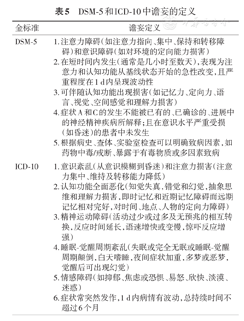
AssociationAP. Diagnostic and statistical manual of mental disorders (Dsm-51)[M]. 5th ed. Amer Psychiatric Pub Inc, 2013.
[153]
SepulvedaE, FrancoJG, TrzepaczPT, et al. Delirium diagnosis defined by cluster analysis of symptoms versus diagnosis by DSM and ICD criteria: diagnostic accuracy study[J]. BMC Psychiatry, 2016, 16: 167. .
[154]
RitterSRF, CardosoAF, LinsMMP, et al. Underdiagnosis of delirium in the elderly in acute care hospital settings: lessons not learned[J]. Psychogeriatrics, 2018, 18(4): 268-275. .
[155]
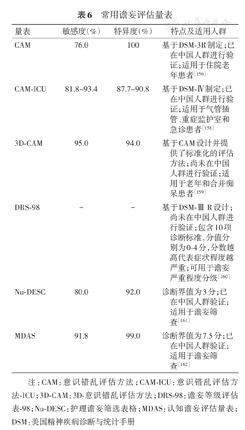
InouyeSK, van DyckCH, AlessiCA, et al. Clarifying confusion: the confusion assessment method. A new method for detection of delirium[J]. Ann Intern Med, 1990, 113(12): 941-948. .
[156]
LeungJ, LeungV, LeungCM, et al. Clinical utility and validation of two instruments (the Confusion Assessment Method Algorithm and the Chinese version of Nursing Delirium Screening Scale) to detect delirium in geriatric inpatients[J]. Gen Hosp Psychiatry,2008, 30(2):171-176. .
[157]
ElyEW, MargolinR, FrancisJ, et al. Evaluation of delirium in critically ill patients: validation of the Confusion Assessment Method for the Intensive Care Unit (CAM-ICU) [J]. Crit Care Med, 2001, 29(7): 1370-1379. .
[158]
WangC, WuY, YueP, et al. Delirium assessment using confusion assessment method for the intensive care unit in Chinese critically ill patients[J]. J Crit Care, 2013, 28(3): 223-229. .
[159]
MarcantonioER, NgoLH, O′ConnorM, et al. 3D-CAM: derivation and validation of a 3-minute diagnostic interview for CAM-defined delirium: a cross-sectional diagnostic test study[J]. Ann Intern Med, 2014, 161(8): 554-561. .
[160]
RosenJ, SweetRA, MulsantBH, et al. The delirium rating scale in a psychogeriatric inpatient setting[J]. J Neuropsychiatry Clin Neurosci, 1994, 6(1): 30-35. .
[161]
梅伟,刘尚昆,张治国,等.中文版护理谵妄筛查量表的信度和效度研究[J].中华护理杂志,2010, 45(2):4. .
[162]
ShiZ, WuY, LiC, et al. Using the Chinese version of Memorial Delirium Assessment Scale to describe postoperative delirium after hip surgery[J]. Front Aging Neurosci,2014,6:297. .
[163]
AldecoaC, BettelliG, BilottaF, et al. European Society of Anaesthesiology evidence-based and consensus-based guideline on postoperative delirium[J]. Eur J Anaesthesiol, 2017, 34(4):192-214. .
[164]
DowningLJ, CaprioTV, LynessJM. Geriatric psychiatry review: differential diagnosis and treatment of the 3 D′s -delirium, dementia, and depression[J]. Curr Psychiatry Rep,2013, 15(6):365. .
[165]
ChevillonC, HellyarM, MadaniC, et al. Preoperative education on postoperative delirium, anxiety, and knowledge in pulmonary thromboendarterectomy patients[J]. Am J Crit Care,2015, 24(2):164-171. .
[166]
EijlersR, LegersteeJS, DierckxB, et al. Development of a virtual reality exposure tool as psychological preparation for elective pediatric day care surgery: methodological approach for a randomized controlled trial[J]. JMIR Res Protoc,2017, 6(9):e174. .
[167]
MazzolaP, WardL, ZazzettaS, et al. Association between preoperative malnutrition and postoperative delirium after hip fracture surgery in older adults[J]. J Am Geriatr Soc,2017, 65(6):1222-1228. .
[168]
KratzT, HeinrichM, SchlaussE, et al. Preventing postoperative delirium[J]. Dtsch Arztebl Int, 2015, 112(17): 289-296. .
[169]
KassieGM, NguyenTA, Kalisch EllettLM, et al. Preoperative medication use and postoperative delirium: a systematic review[J]. BMC Geriatr, 2017, 17(1): 298. .
[170]
PapaioannouA, FraidakisO, MichaloudisD, et al. The impact of the type of anaesthesia on cognitive status and delirium during the first postoperative days in elderly patients[J]. Eur J Anaesthesiol, 2005, 22(7): 492-499. .
[171]
SteenbergJ, MollerAM. Systematic review of the effects of fascia iliaca compartment block on hip fracture patients before operation[J]. Br J Anaesth, 2018, 120(6): 1368-1380. .
[172]
WeinsteinSM, PoultsidesL, BaakliniLR, et al. Postoperative delirium in total knee and hip arthroplasty patients: a study of perioperative modifiable risk factors[J]. Br J Anaesth, 2018, 120(5):999-1008. .
[173]
O′DonnellCM, McLoughlinL, PattersonCC, et al. Perioperative outcomes in the context of mode of anaesthesia for patients undergoing hip fracture surgery: systematic review and meta-analysis[J]. Br J Anaesth, 2018, 120(1): 37-50. .
[174]
MasonSE, Noel-StorrA, RitchieCW. The impact of general and regional anesthesia on the incidence of post-operative cognitive dysfunction and post-operative delirium: a systematic review with meta-analysis[J]. J Alzheimers Dis, 2010, 22Suppl 3:67-79. .
[175]
RadtkeFM, FranckM, LendnerJ, et al. Monitoring depth of anaesthesia in a randomized trial decreases the rate of postoperative delirium but not postoperative cognitive dysfunction[J]. Br J Anaesth,2013, 110Suppl 1:i98-105. .
[176]
SahniN, AnandLK, GombarK, et al. Effect of intraoperative depth of anesthesia on postoperative pain and analgesic requirement: A randomized prospective observer blinded study[J]. J Anaesthesiol Clin Pharmacol,2011, 27(4):500-505. .
[177]
PunjasawadwongY, Chau-InW, LaopaiboonM, et al. Processed electroencephalogram and evoked potential techniques for amelioration of postoperative delirium and cognitive dysfunction following non-cardiac and non-neurosurgical procedures in adults[J]. Cochrane Database Syst Rev, 2018, 5: Cd011283. .
[178]
WildesTS, MickleAM, Ben AbdallahA, et al. Effect of electroencephalography-guided anesthetic administration on postoperative delirium among older adults undergoing major surgery: the ENGAGES randomized clinical trial[J]. JAMA, 2019, 321(5):473-483. .
[179]
Calderon-ArnulphiM, AlarajA, SlavinKV. Near infrared technology in neuroscience: past, present and future[J]. Neurol Res,2009, 31(6):605-614..
[180]
MorimotoY, YoshimuraM, UtadaK, et al. Prediction of postoperative delirium after abdominal surgery in the elderly[J]. J Anesth, 2009, 23(1): 51-56. .
[181]
PalmbergenWA, van SonderenA, Keyhan-FalsafiAM, et al. Improved perioperative neurological monitoring of coronary artery bypass graft patients reduces the incidence of postoperative delirium: the Haga Brain Care Strategy[J]. Interact Cardiovasc Thorac Surg, 2012, 15(4): 671-677. .
[182]
LopezMG, PandharipandeP, MorseJ, et al. Intraoperative cerebral oxygenation, oxidative injury, and delirium following cardiac surgery[J]. Free Radic Biol Med, 2017, 103: 192-198. .
[183]
WoodMD, MasloveDM, MuscedereJG, et al. Low brain tissue oxygenation contributes to the development of delirium in critically ill patients: A prospective observational study[J]. J Crit Care,2017,41:289-295. .
[184]
Zorrilla-VacaA, HealyR, GrantMC, et al. Intraoperative cerebral oximetry-based management for optimizing perioperative outcomes: a meta-analysis of randomized controlled trials[J]. Can J Anaesth,2018, 65(5):529-542. .
[185]
GroupPS, DevereauxPJ, YangH, et al. Effects of extended-release metoprolol succinate in patients undergoing non-cardiac surgery (POISE trial): a randomised controlled trial[J]. Lancet, 2008, 371(9627): 1839-1847. .
[186]
BijkerJB, PersoonS, PeelenLM, et al. Intraoperative hypotension and perioperative ischemic stroke after general surgery: a nested case-control study[J]. Anesthesiology, 2012, 116(3):658-664. .
[187]
HoriD, BrownC, OnoM, et al. Arterial pressure above the upper cerebral autoregulation limit during cardiopulmonary bypass is associated with postoperative delirium[J]. Br J Anaesth,2014, 113(6):1009-1017. .
[188]
BjorkelundKB, HommelA, ThorngrenKG, et al. Reducing delirium in elderly patients with hip fracture: a multi-factorial intervention study[J]. Acta Anaesthesiol Scand, 2010, 54(6): 678-688. .
[189]
TokitaK, TanakaH, KawamotoM, et al. Patient-controlled epidural analgesia with bupivacaine and fentanyl suppresses postoperative delirium following hepatectomy[J]. Masui, 2001, 50(7):742-746.
[190]
DevlinJW, SkrobikY, GelinasC, et al. Clinical practice guidelines for the prevention and management of pain, agitation/sedation, delirium, immobility, and sleep disruption in adult patients in the ICU[J]. Crit Care Med, 2018, 46(9): e825-e873. .
[191]
ShettyRM, BelliniA, WijayatilakeDS, et al. BIS monitoring versus clinical assessment for sedation in mechanically ventilated adults in the intensive care unit and its impact on clinical outcomes and resource utilization[J]. Cochrane Database Syst Rev, 2018, 2: Cd011240. .
[192]
WangH, WangC, WangY, et al. Sedative drugs used for mechanically ventilated patients in Intensive Care Units: a systematic review and network meta-analysis[J]. Curr Med Res Opin, 2019, 35(3): 435-446. .
[193]
FraserGL, DevlinJW, WorbyCP, et al. Benzodiazepine versus nonbenzodiazepine-based sedation for mechanically ventilated, critically ill adults: a systematic review and meta-analysis of randomized trials[J]. Crit Care Med,2013, 41(9Suppl 1):S30-38. .
[194]
BurryL, RoseL, McCullaghIJ, et al. Daily sedation interruption versus no daily sedation interruption for critically ill adult patients requiring invasive mechanical ventilation[J]. Cochrane Database Syst Rev, 2014, 7: CD009176. .
[195]
HuRF, JiangXY, ChenJ, et al. Non-pharmacological interventions for sleep promotion in the intensive care unit[J]. Cochrane Database Syst Rev, 2015, 10: CD008808. .
[196]
HshiehTT, YueJ, OhE, et al. Effectiveness of multicomponent nonpharmacological delirium interventions: a meta-analysis[J]. JAMA Intern Med, 2015, 175(4): 512-520. .
[197]
DuanX, CoburnM, RossaintR, et al.Efficacy of perioperative dexmedetomidine on postoperative delirium: systematic review and meta-analysis with trial sequential analysis of randomised controlled trials[J]. Br J Anaesth, 2018, 121(2): 384-397. .
[198]
LiX, YangJ, NieXL, et al. Impact of dexmedetomidine on the incidence of delirium in elderly patients after cardiac surgery: A randomized controlled trial[J]. PLoS One, 2017, 12(2): e0170757. .
[199]
DeinerS, LuoX, LinHM, et al. Intraoperative infusion of dexmedetomidine for prevention of postoperative delirium and cognitive dysfunction in elderly patients undergoing major elective noncardiac surgery: a randomized clinical trial[J]. JAMA Surg, 2017, 152(8): e171505. .
[200]
ZhangDF, SuX, MengZT, et al. Impact of dexmedetomidine on long-term outcomes after noncardiac surgery in elderly: 3-year follow-up of a randomized controlled trial[J]. Ann Surg, 2018. .
[201]
SantosE, CardosoD, NevesH, et al. Effectiveness of haloperidol prophylaxis in critically ill patients with a high risk of delirium: a systematic review[J]. JBI Database System Rev Implement Rep, 2017, 15(5): 1440-1472. .
[202]
MehtaS, CookD, DevlinJW, et al. Prevalence, risk factors, and outcomes of delirium in mechanically ventilated adults[J]. Crit Care Med, 2015, 43(3): 557-566. .
[203]
PanY, JiangZ, YuanC, et al. Influence of physical restraint on delirium of adult patients in ICU: A nested case-control study[J]. J Clin Nurs, 2018, 27(9-10): 1950-1957. .
[204]
MartinezF, DonosoAM, MarquezC, et al. Implementing a multicomponent intervention to prevent delirium among critically ill patients[J]. Crit Care Nurse, 2017, 37(6): 36-46. .
[205]
LittonE, CarnegieV, ElliottR, et al. The efficacy of earplugs as a sleep hygiene strategy for reducing delirium in the ICU: a systematic review and meta-analysis[J]. Crit Care Med, 2016, 44(5):992-999. .
[206]
CheongCY, TanJA, FoongYL, et al. Creative music therapy in an acute care setting for older patients with delirium and dementia[J]. Dement Geriatr Cogn Dis Extra, 2016, 6(2): 268-275. .
[207]
JohnsonK, FleuryJ, McClainD. Music intervention to prevent delirium among older patients admitted to a trauma intensive care unit and a trauma orthopaedic unit[J]. Intensive Crit Care Nurs, 2018, 47:7-14. .
[208]
Barnes-DalyMA, PhillipsG, ElyEW. Improving hospital survival and reducing brain dysfunction at seven california community hospitals: implementing PAD guidelines via the ABCDEF bundle in 6,064 Patients[J]. Crit Care Med,2017,45(2):171-178. .
[209]
GirardTD, PandharipandePP, CarsonSS, et al. Feasibility, efficacy, and safety of antipsychotics for intensive care unit delirium: the MIND randomized, placebo-controlled trial[J]. Crit Care Med, 2010, 38(2): 428-437. .
[210]
DevlinJW, RobertsRJ, FongJJ, et al. Efficacy and safety of quetiapine in critically ill patients with delirium: a prospective, multicenter, randomized, double-blind, placebo-controlled pilot study[J]. Crit Care Med, 2010, 38(2): 419-427. .
[211]
SkrobikYK, BergeronN, DumontM, et al. Olanzapine vs haloperidol: treating delirium in a critical care setting[J]. Intensive Care Med, 2004, 30(3): 444-449. .
[212]
WangEH, MabasaVH, LohGW, et al. Haloperidol dosing strategies in the treatment of delirium in the critically ill[J]. Neurocritical Care, 2012, 16(1): 170-183. .
[213]
FlukigerJ, HollingerA, SpeichB, et al. Dexmedetomidine in prevention and treatment of postoperative and intensive care unit delirium: a systematic review and meta-analysis[J]. Ann Intensive Care, 2018, 8(1): 92. .



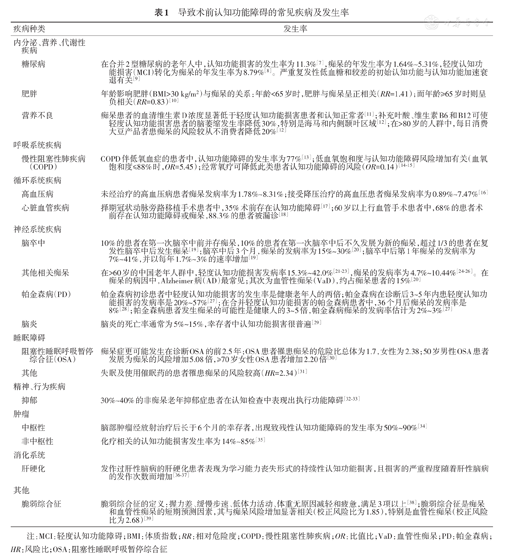
 类药物。
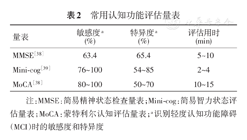
类药物。 类药物。
类药物。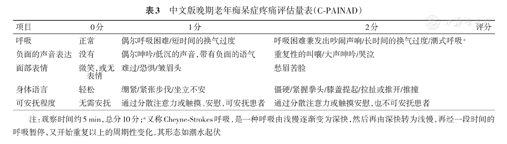
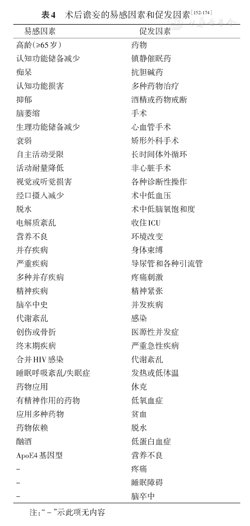
 类药物和抗胆碱能药物可减少术后谵妄发生率[169]。但是对于长期使用苯二氮
 类药物的患者,术前停用药物有可能诱发戒断症状。建议邀请精神科医生指导此类患者的围术期用药管理(参见焦虑和抑郁部分)。
 类药物镇静可致谵妄发生风险增加2.59倍,并增加监护室内滞留时间和机械通气时间;而非苯二氮
 类(右美托咪啶、丙泊酚)在ICU患者镇静方面具有显著优势[
 类药物进行镇静,建议优先选择非苯二氮
 类药物(丙泊酚和右美托咪定)。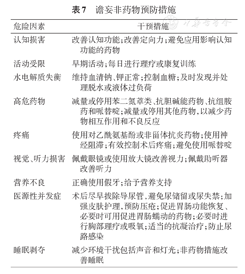
 类、抗胆碱能药物、抗组胺药和哌替啶;减量或停用其他药物,以减少药物相互作用和不良反应


